Skip to content
FTRC.BLOG / Europe / Germany / Berlin / Allied Museum Berlin

Exploring the Allied Museum Berlin: Spy Tunnels, Planes, and Cold War History

If you spend all your time in the central part of Berlin, you’ll only see a part of the city’s Cold War history. For a more profound understanding of that era, you need to head south, towards the leafy neighborhood of Dahlem, in the former American sector. This is where you are going to find the Allied Museum Berlin, also known as the AlliertenMuseum.

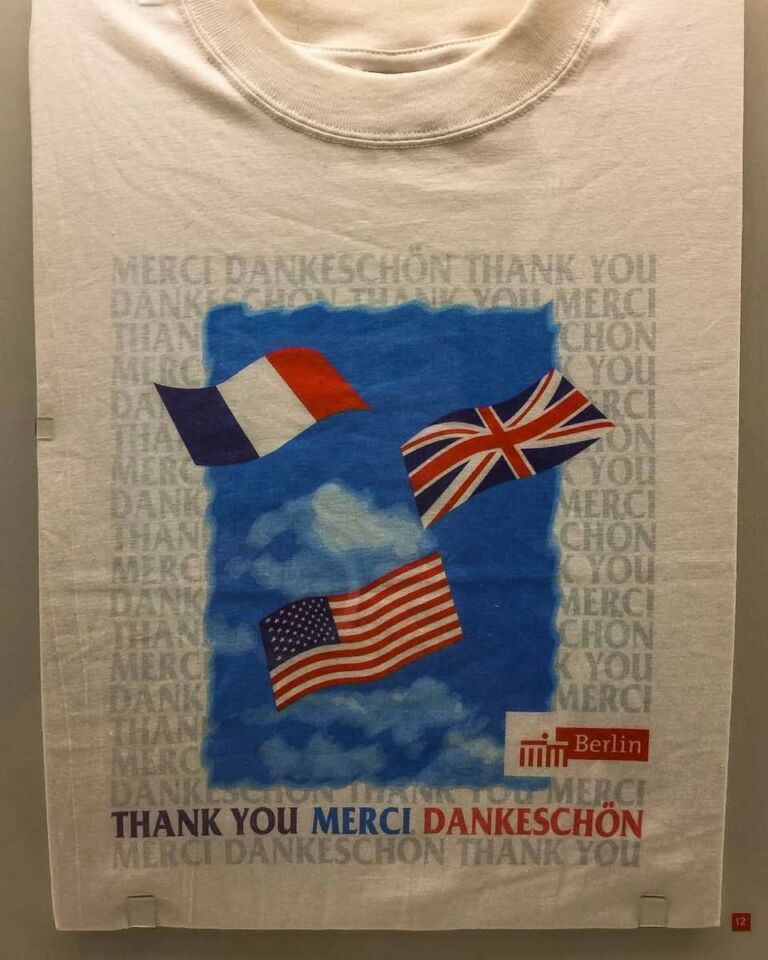
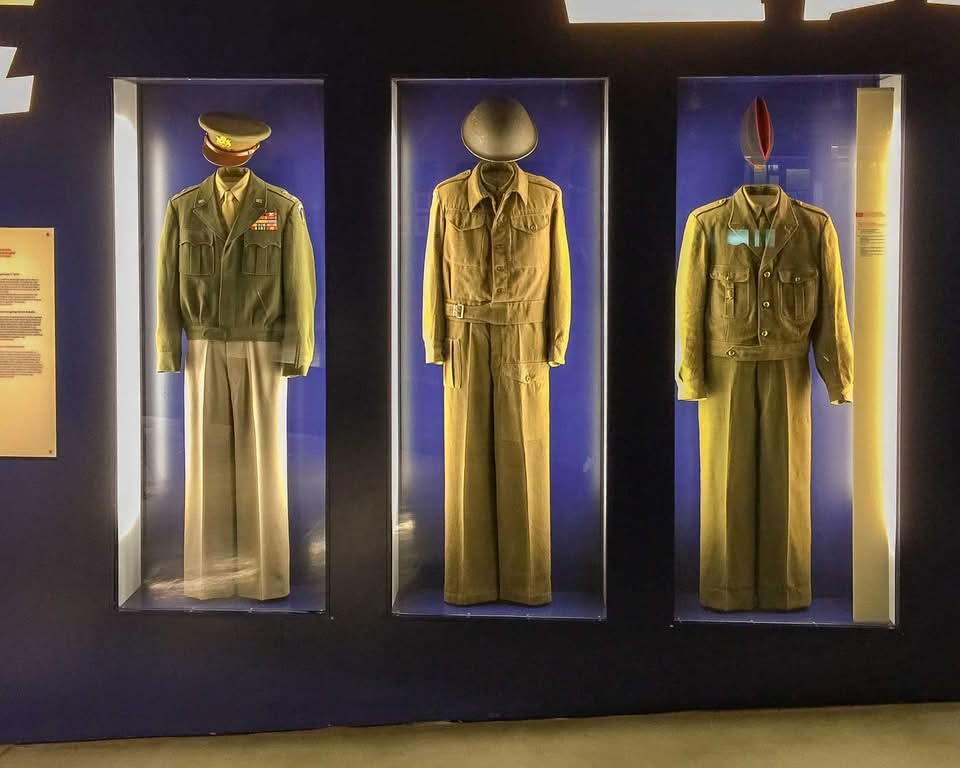
This free museum tells how the Allied Forces, the United States, France, and the United Kingdom shaped West Berlin from 1945 to 1994 and turned former wartime enemies into close friends.

The pictures that you will see here are from my first visit to the Allied Museum in Berlin, back in the summer of 2017. During that time, I had a family visit, and we talked about exploring some places that are a bit away from the center of the city. One of these places was the House of the Wannsee Conference. The other place was the Allied Museum.
If you spend all your time in the central part of Berlin, you’ll only see a part of the city’s Cold War history. For a better understanding of that era, you need to head south, towards the leafy neighborhood of Dahlem, in the former American sector. This is where you are going to find the Allied Museum Berlin, also known as the AlliertenMuseum.

Allied Museum Berlin: Inside the Former American Garrison

In Berlin-Dahlem’s Allien Museum, you can do more than just read about military history. You are walking right through where it happened. It is on Clayallee, right in the middle of where the US military used to live in the occupied city. Across the street once stood the headquarters of the Berlin Brigade, and behind the museum used to stand the largest housing area for American troops and their families in Berlin. There were schools and every other ammenity that you can think about for everyday neighborhood life.

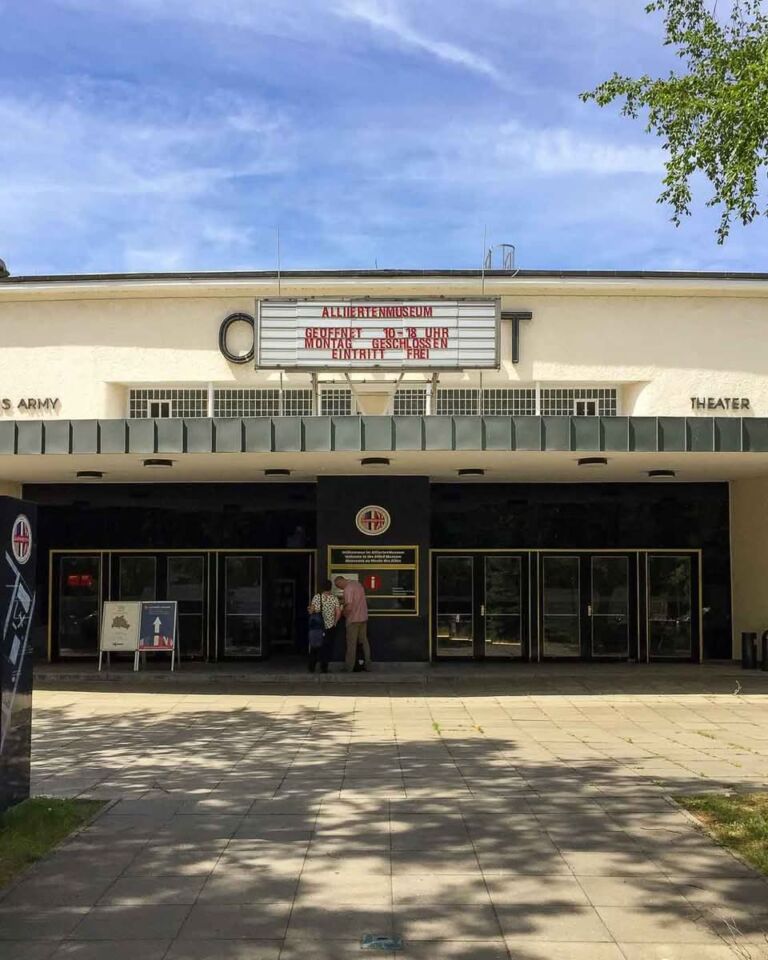
Even the building itself belongs to history. It was built in the early 1950s as a movie theater for American soldiers. The Outpost Theater is a protected landmark with a classic retro look that makes it a great place to take pictures.

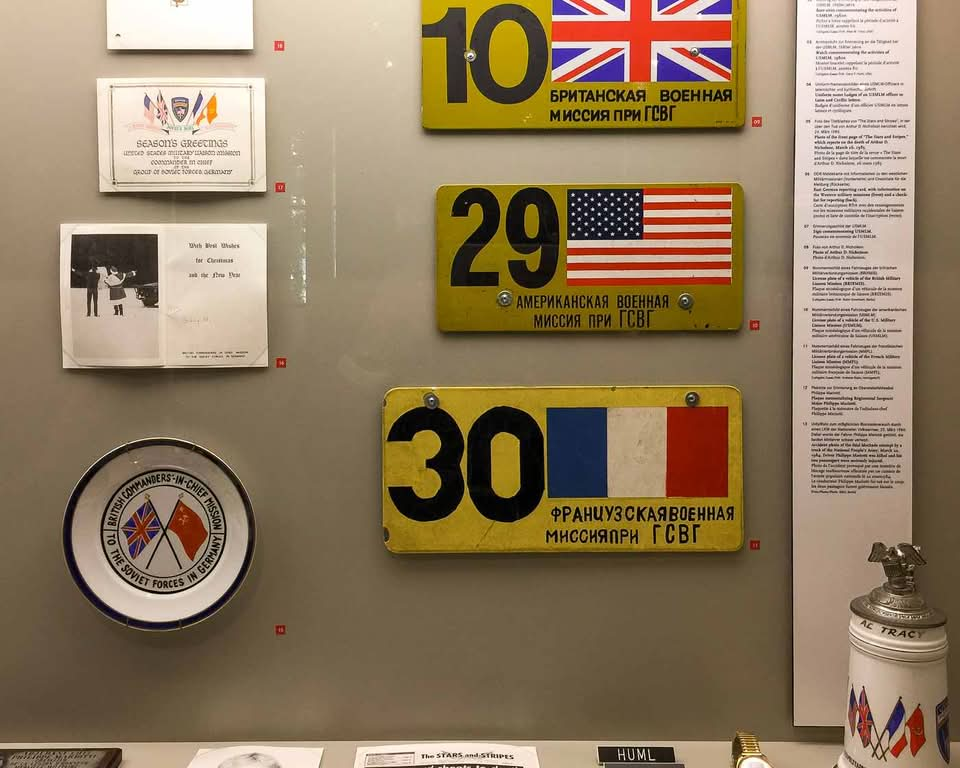
Next door you will see the Nicholson Memorial Library, which opened back in 1979 and once held around 50 thousand books for the American troops in Berlin. It gets its name after Major Arthur D. Nicholson Jr., an officer who was shot and killed by a Soviet guard while on a mission to East Germany in 1985. The library hosts a part of the permanent exhibition as well as some temporary exhibitions.
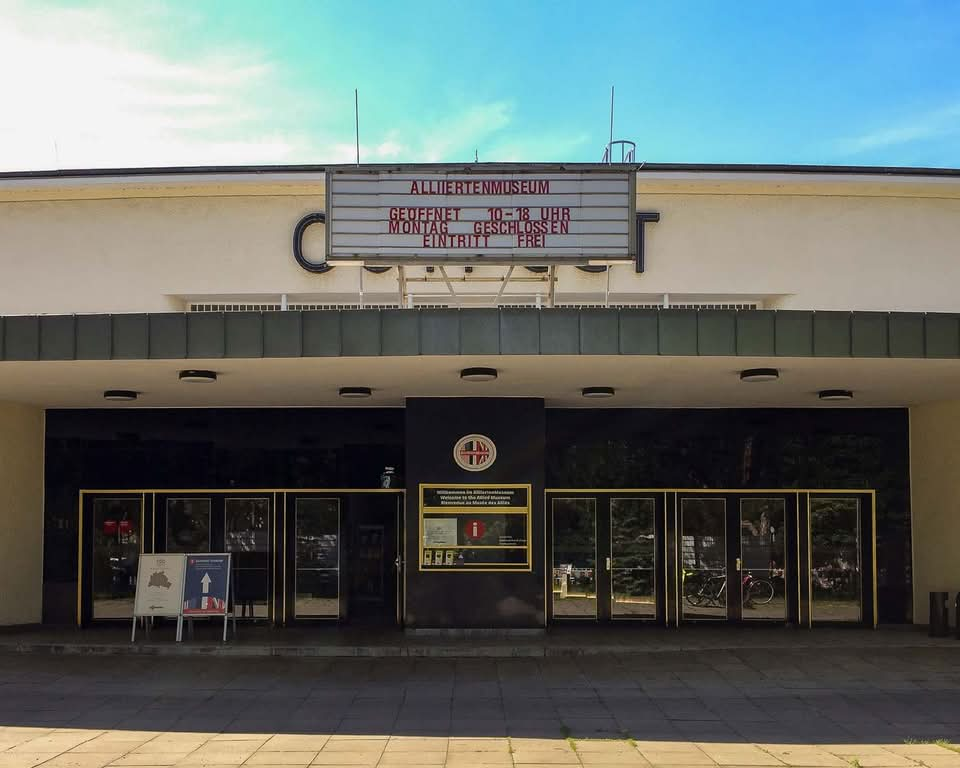
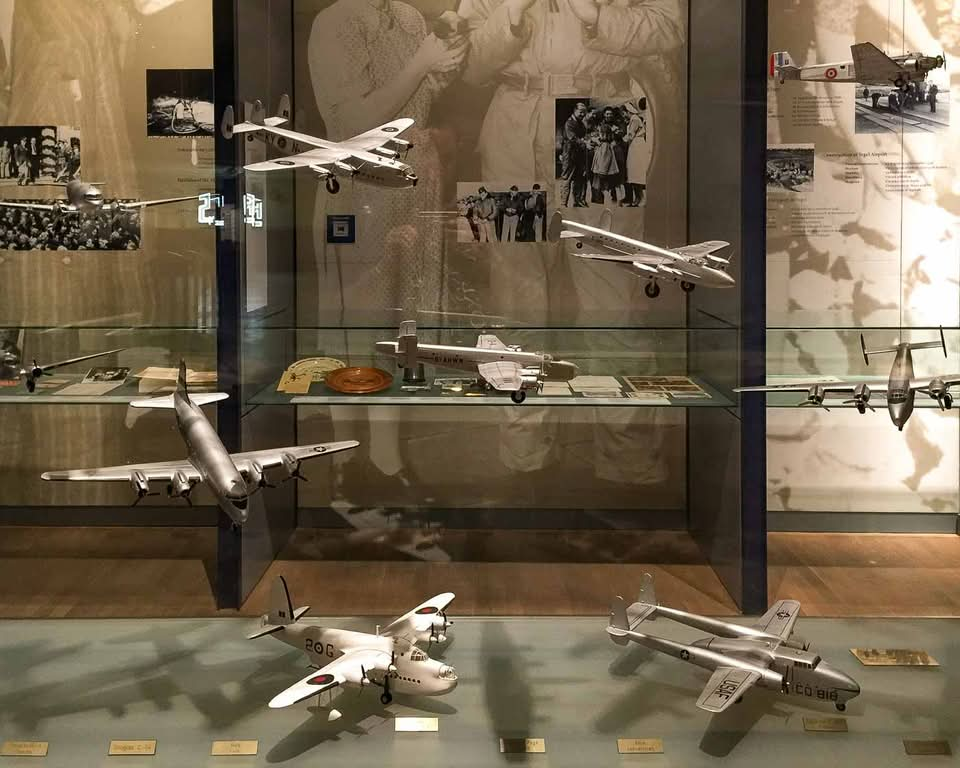
If you spend all your time in the central part of Berlin, you’ll only see a part of the city’s Cold War history. For a better understanding of that era, you need to head south, towards the leafy neighborhood of Dahlem, in the former American sector. This is where you are going to find the Allied Museum Berlin, also known as the AlliertenMuseum.

What to See at the Allied Museum Berlin (And Why It’s Worth the Trip)

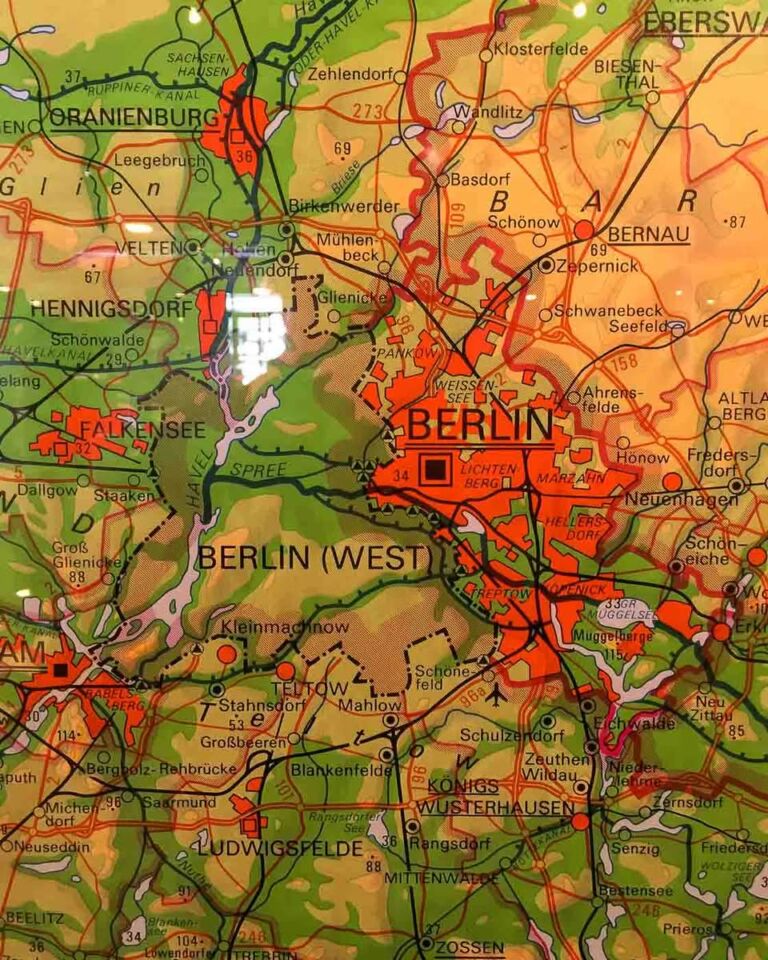
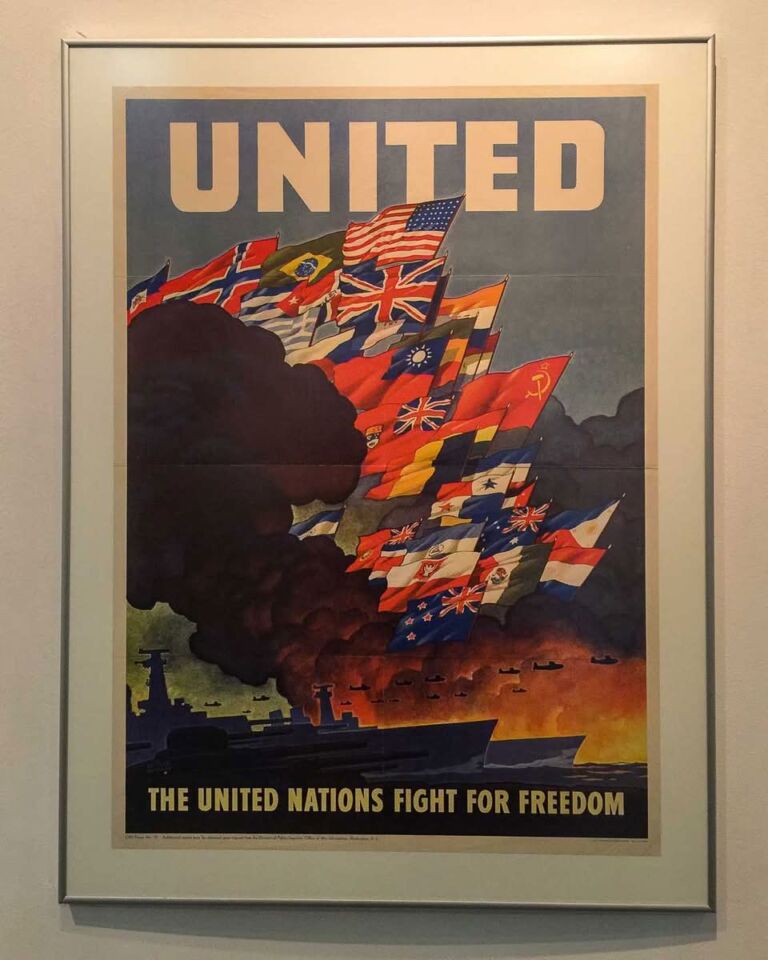
When the Second World War ended in 1945, Germany and Berlin were split into four zones occupied by the four winning powers: Great Britain, France, the United States, and the USSR. And, soon, Cold War rivalry broke out between the Western powers and the Soviet Union.

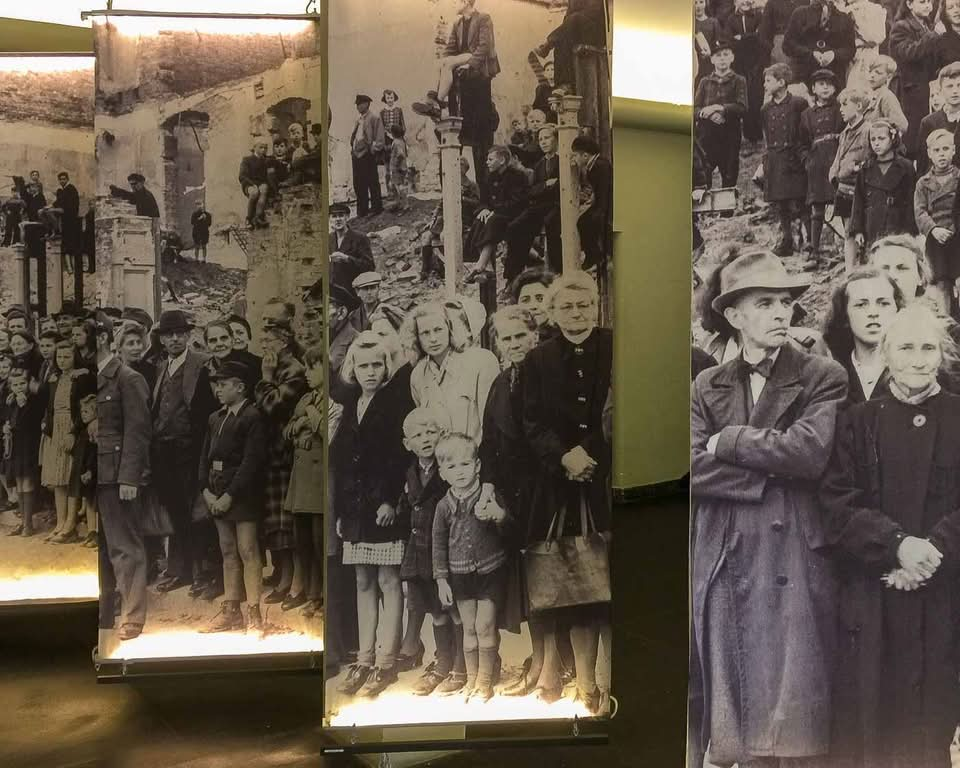
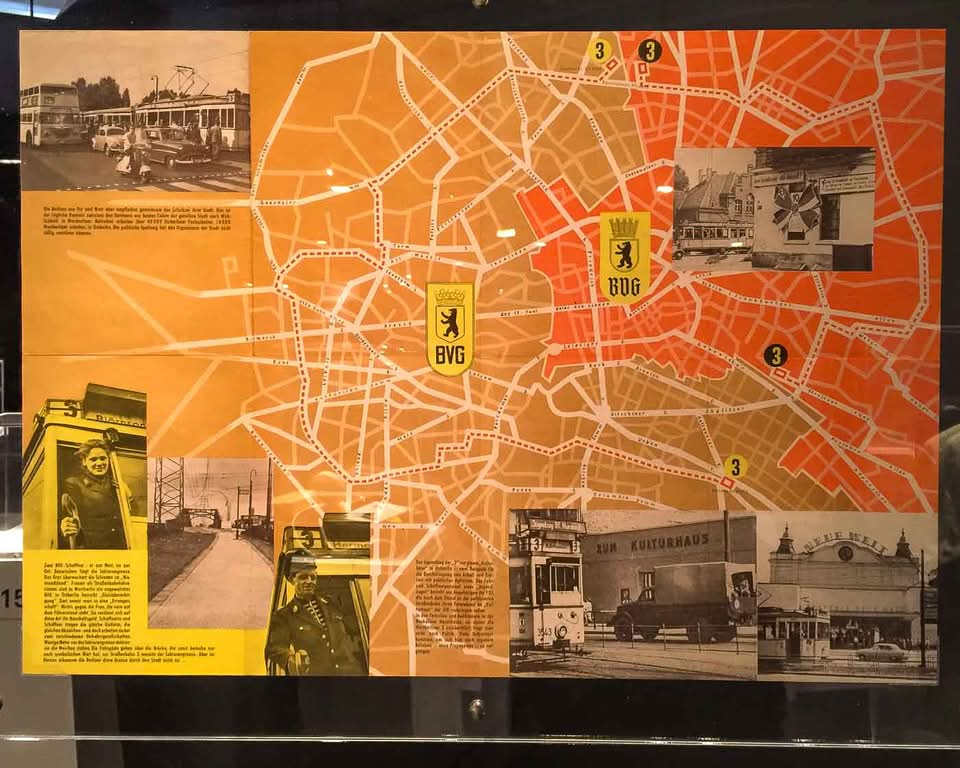
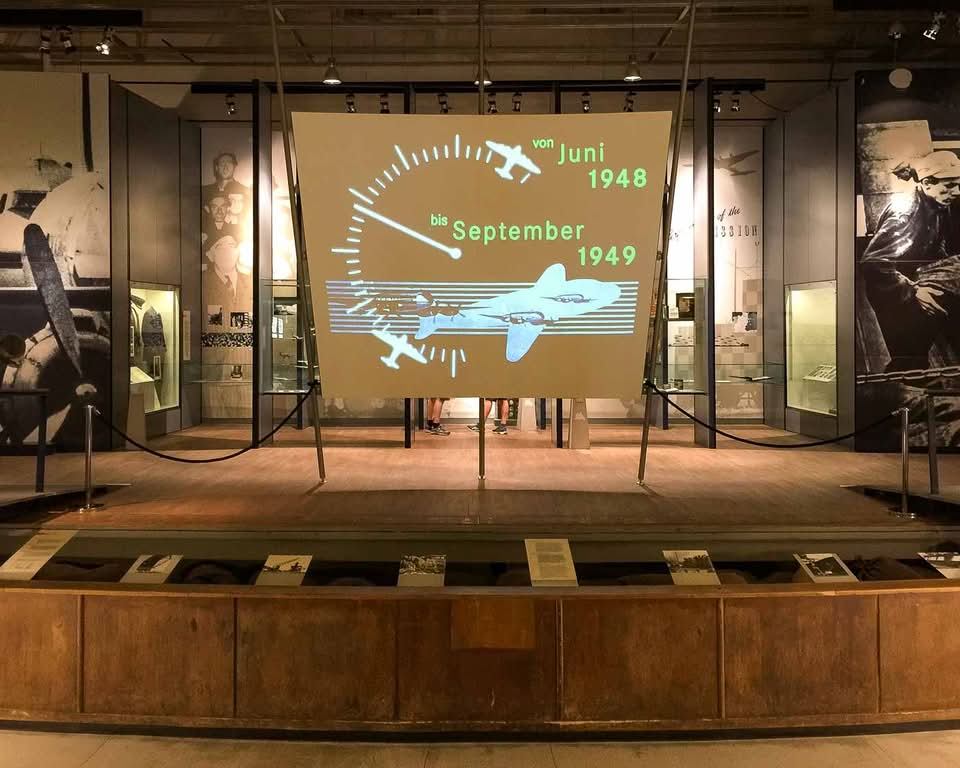
The name of the museum’s permanent exhibition reflects that tension. Called “How Enemies Became Friends,” it traces almost fifty years of tension and everyday life. It starts with the end of the war and goes to the early steps toward democracy in Germany and the Berlin Airlift of 1948-1949. The Berlin Airlift happened when Soviet forces blocked land and water routes into West Berlin. As a way to counter this, the Allied forces flew coal, food, and supplies so the city could survive.

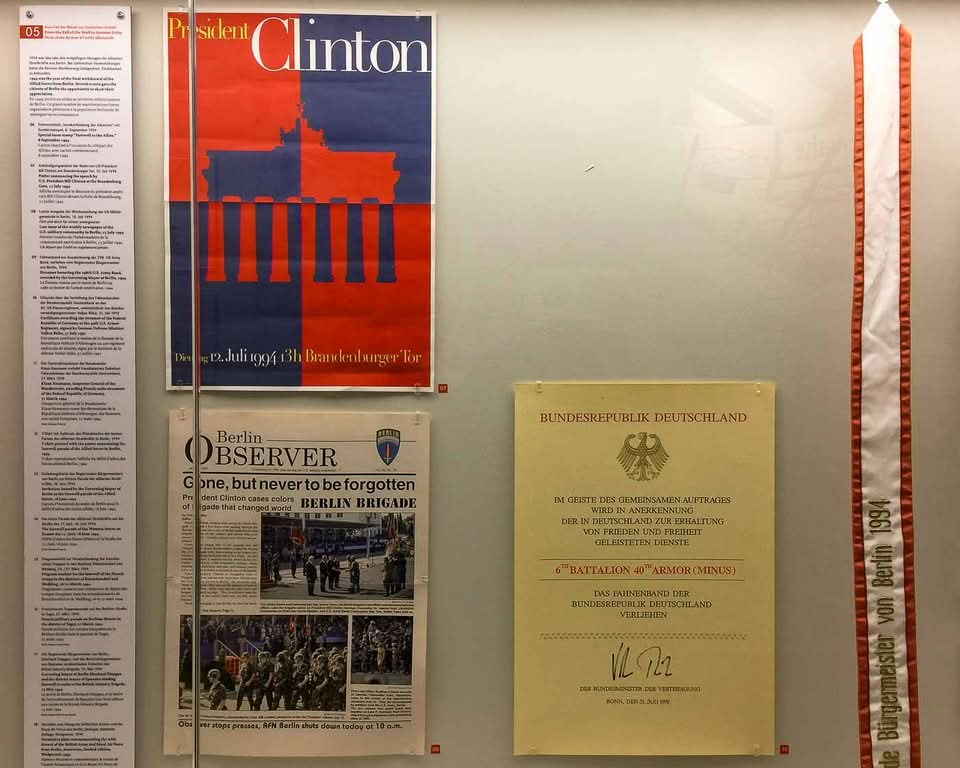
Other sections cover the height of the Cold War, a lot of secret spy work, and life inside the Western garrisons. Before wrapping up with the peaceful changes of 1989 that led to the fall of the Berlin Wall, the German reunification, and the official end of the Allied presence in the country by the 1990s.
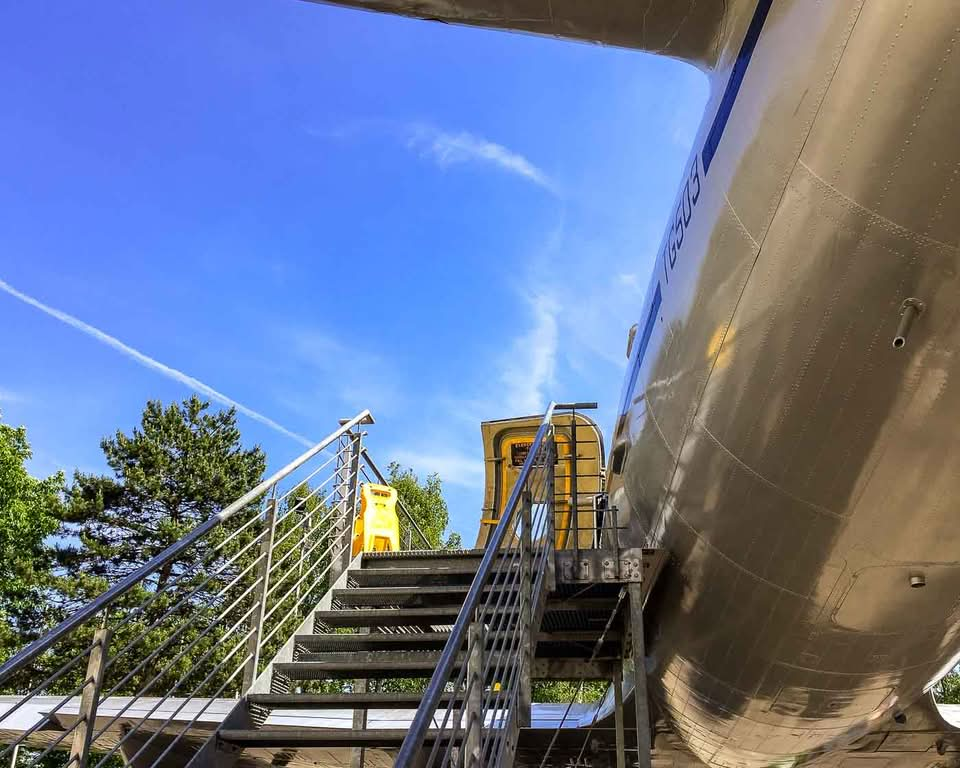
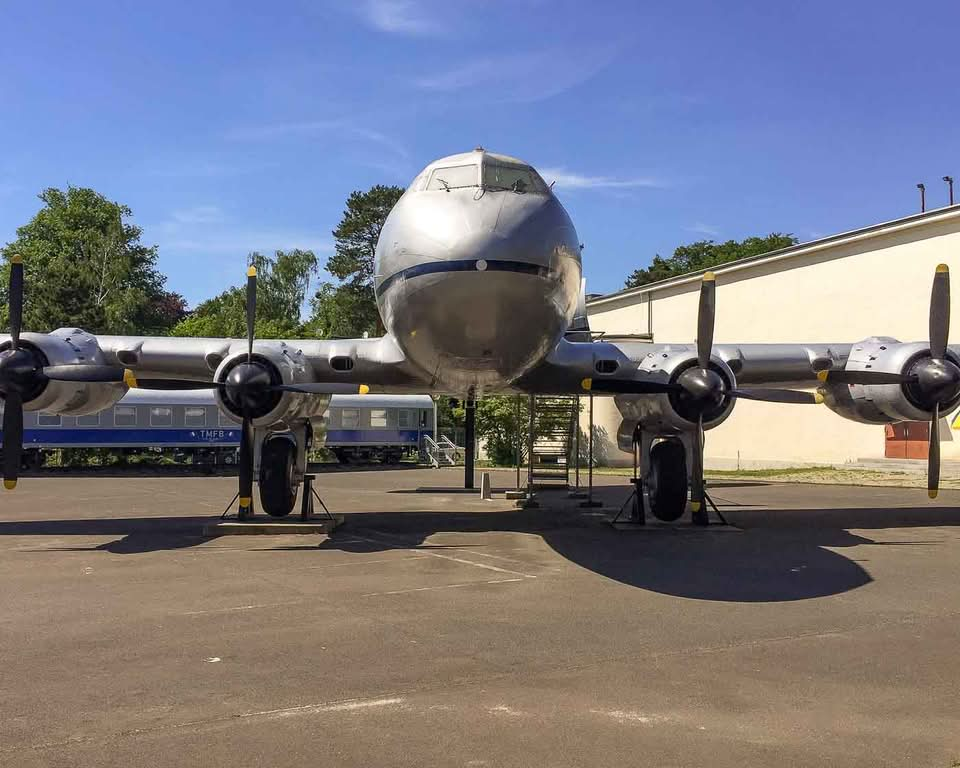
If you spend all your time in the central part of Berlin, you’ll only see a part of the city’s Cold War history. For a better understanding of that era, you need to head south, towards the leafy neighborhood of Dahlem, in the former American sector. This is where you are going to find the Allied Museum Berlin, also known as the AlliertenMuseum.

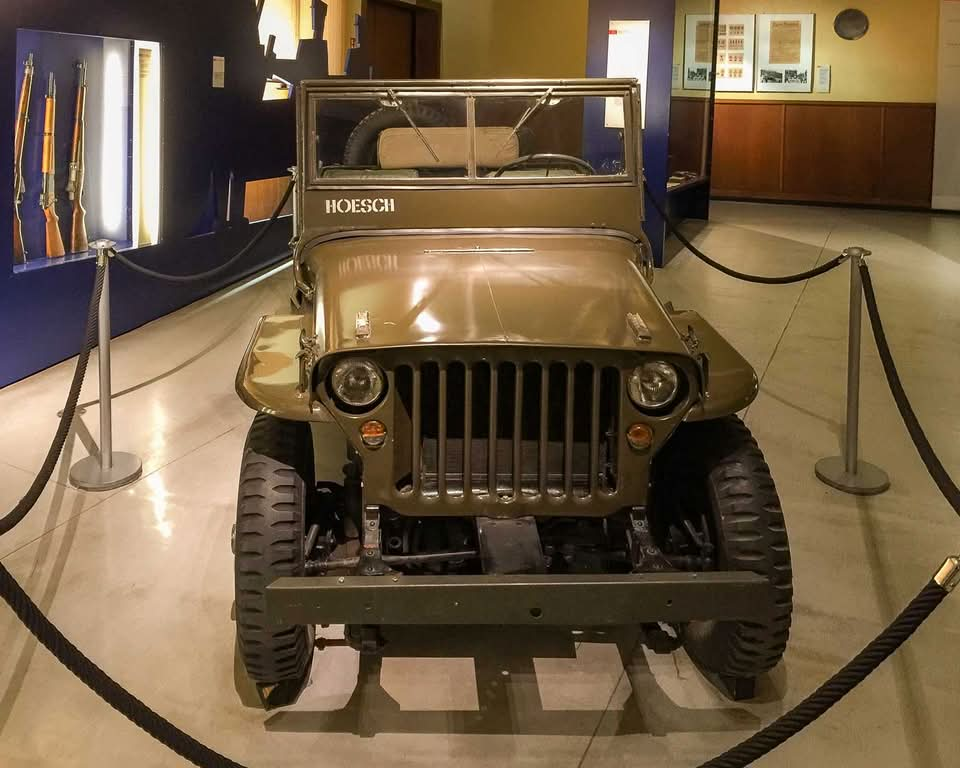
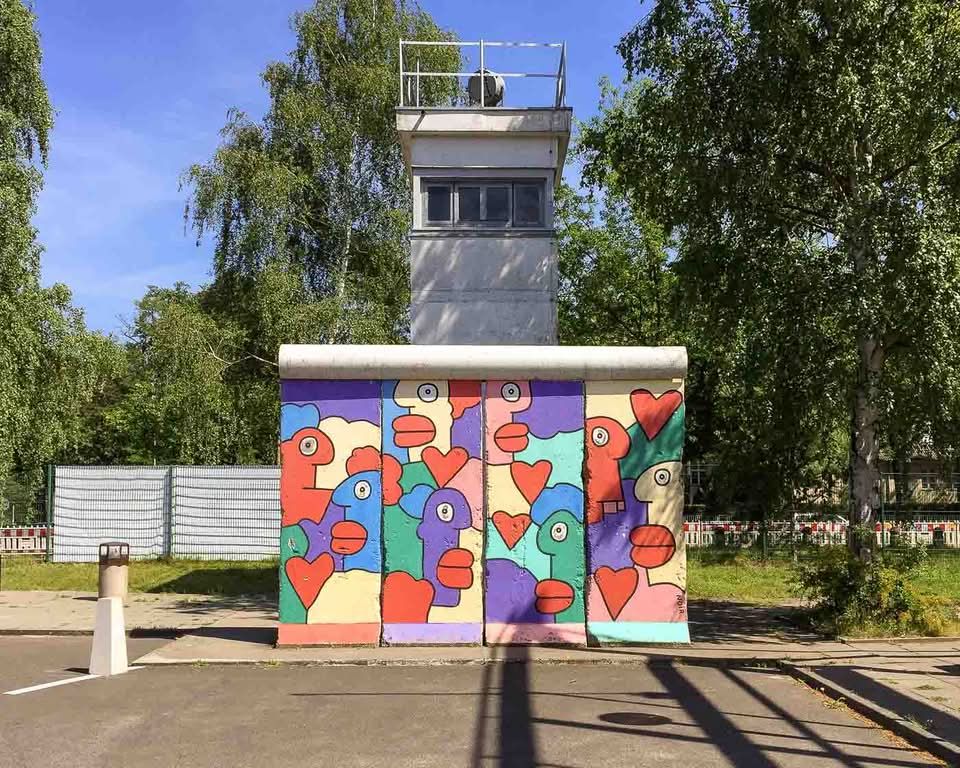
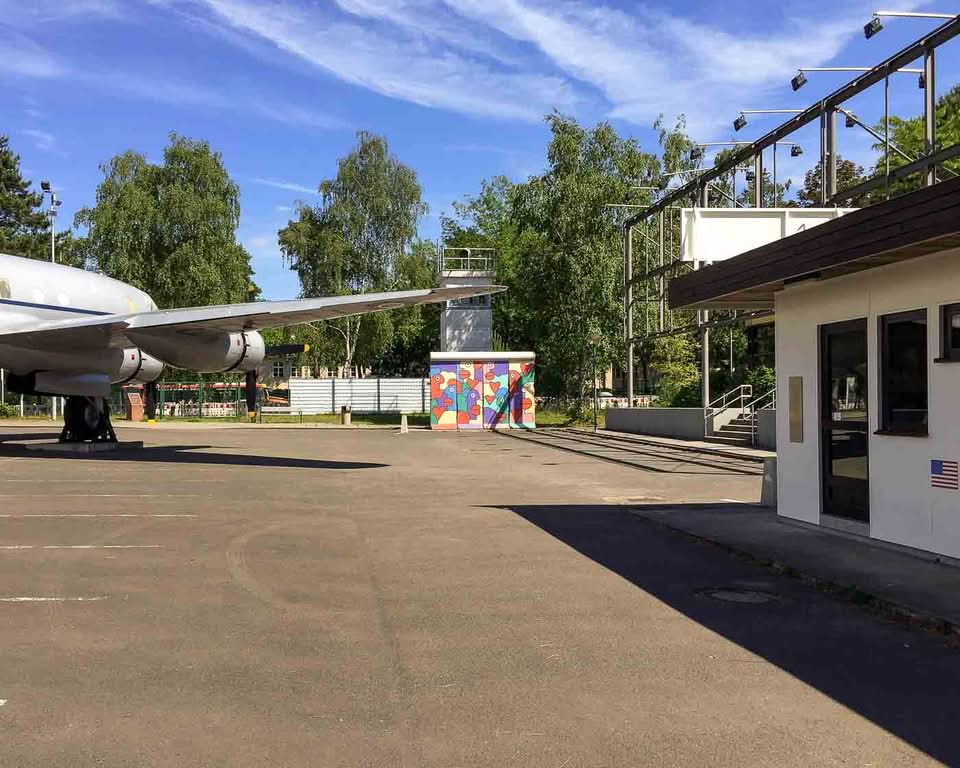
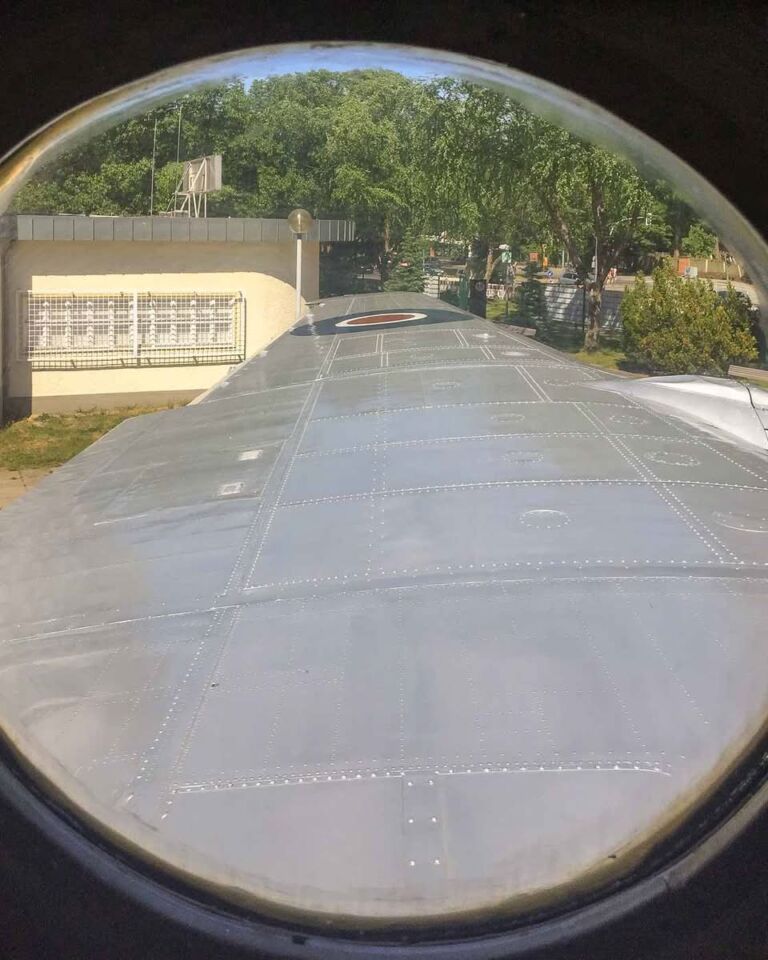
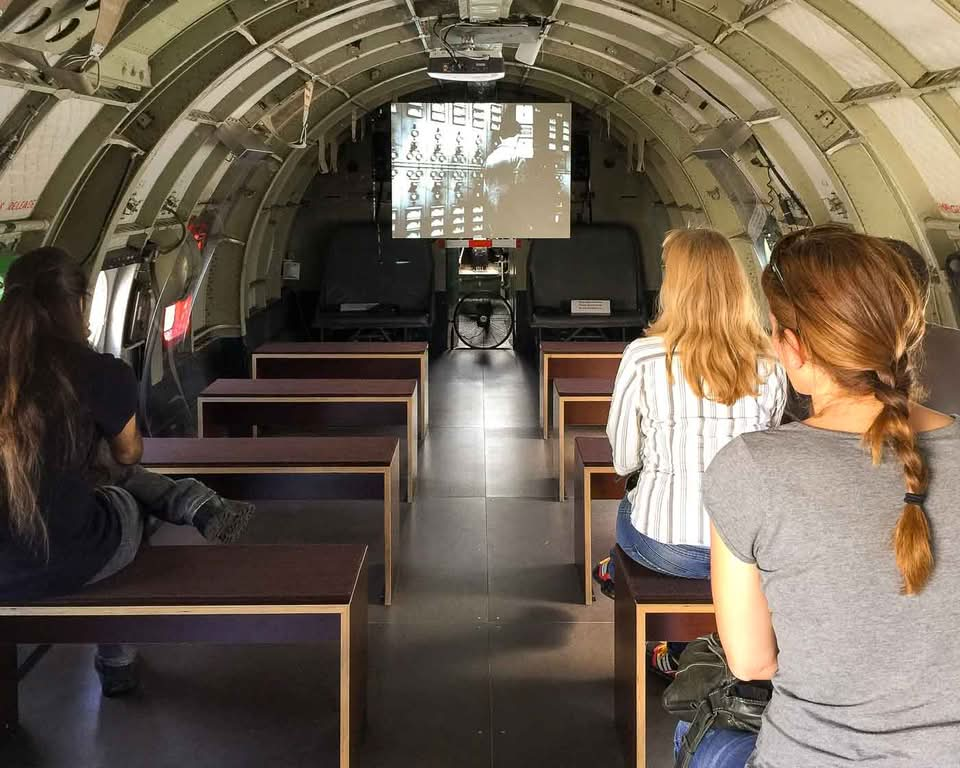
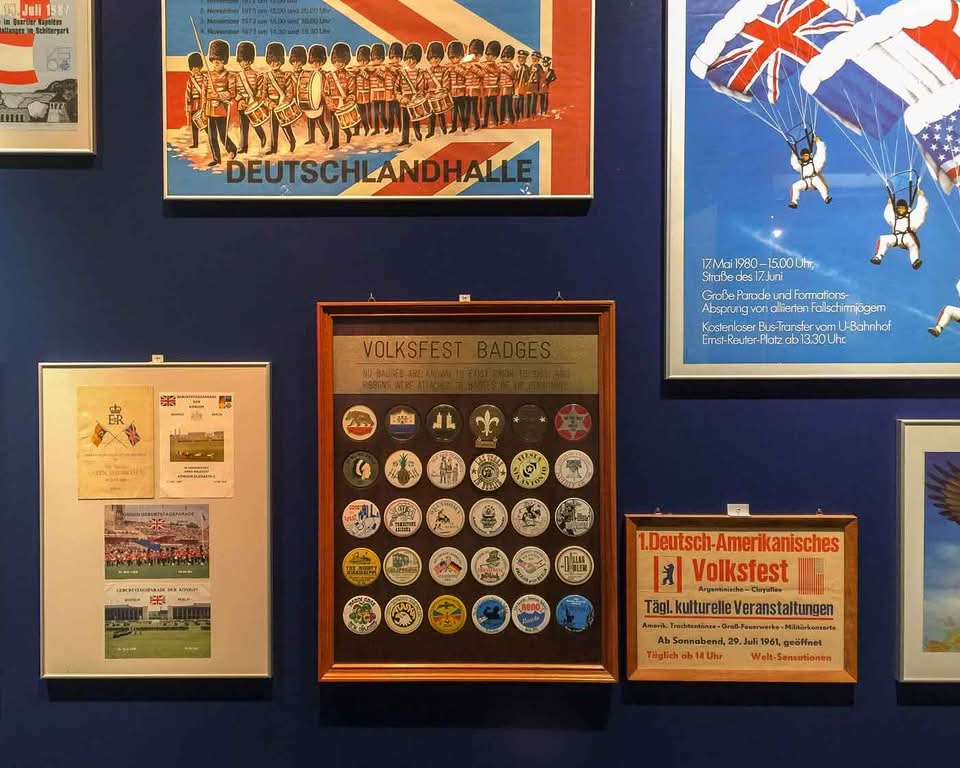
One of the main reasons why I decided to explore the Allied Museum in Dahlem was to see the mix of giant outdoor machines and sneaky Cold War gadgets that exist there. There will be a British Handley Page Hastings TG 503 plane on display that was used in the Berlin Airlift. This will give you a great idea of how supplies got to West Berlin by air. Close by, you will be able to see a French military train that traveled through East German territory and, of course, preserved segments of the Berlin Wall.

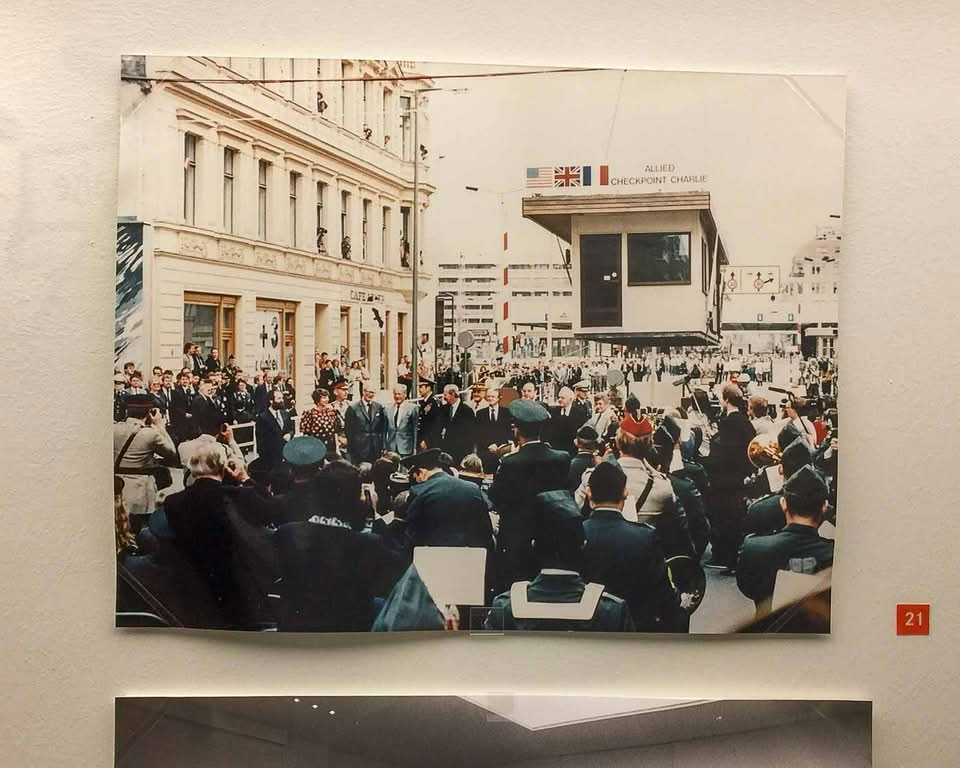
Another reason to go to the Allied Museum is because this museum is where you will be able to see the last Allied guardhouse from Checkpoint Charlie. If you have ever been to the crossing on Friedrichstraße in the middle of Berlin, you have seen a copy of this guardhouse. I even wrote about it when I used to work around the area.

The original booth from Checkpoint Charlie was removed in June 1990 and sent to the Allied Museum in Berlin. Besides that, inside the museum, a restored section of the Berlin Spy Tunnel brings Cold War espionage to life, showing how American and British intelligence dug beneath East Berlin in the 1950s to tap Soviet phone lines.
If you spend all your time in the central part of Berlin, you’ll only see a part of the city’s Cold War history. For a better understanding of that era, you need to head south, towards the leafy neighborhood of Dahlem, in the former American sector. This is where you are going to find the Allied Museum Berlin, also known as the AlliertenMuseum.

Allied Museum in Berlin: Planning Your Visit to Dahlem

Going to the Allied Museum Berlin is easy and budget-friendly, making it a great trip away from central Berlin.

You will find the museum on Clayallee 135 in Dahlem, a short walk from the Oskar-Helene-Heim U3 subway stop or steps away from the Alliiertenmuseum stop on bus lines 115 and X83. The museum is open from Tuesdays to Sundays from 10:00 until 18:00, and it’s closed on Mondays.

General admission is completely free, but some large outdoor exhibitions may carry a small fee of around one euro. If you are like me, you should plan to spend around two hours exploring the grounds and the galleries.

Check the website below for any updates on current exhibitions, guided tours, and special lectures.

Exploring the Allied Museum Berlin: Spy Tunnels, Planes, and Cold War History

Exploring the Allied Museum Berlin: Spy Tunnels, Planes, and Cold War History

Allied Museum Berlin—Clayallee 135
Berlin-Dahlem

www.alliiertenmuseum.de/en

Leave a Reply

Your email address will not be published. Required fields are marked *

This site uses Akismet to reduce spam. Learn how your comment data is processed.

Felipe Tofani

Felipe Tofani

Felipe Tofani is a passionate designer who loves creating experiences and has a mix of music tastes. As the guy behind this blog, he enjoys finding fascinating places to explore. Whether he’s unearthing up hidden gems or sharing interesting historical stories, Felipe is the creative force behind the content here. Join him on this journey of design, discovery, and some pretty awesome tunes.View Author posts