Skip to content
FTRC.BLOG / Europe / Germany / Berlin / Krematorium Baumschulenweg

Inside the Krematorium Baumschulenweg: Concrete, Light, and Shadows

  • Berlin
  • Last updated on

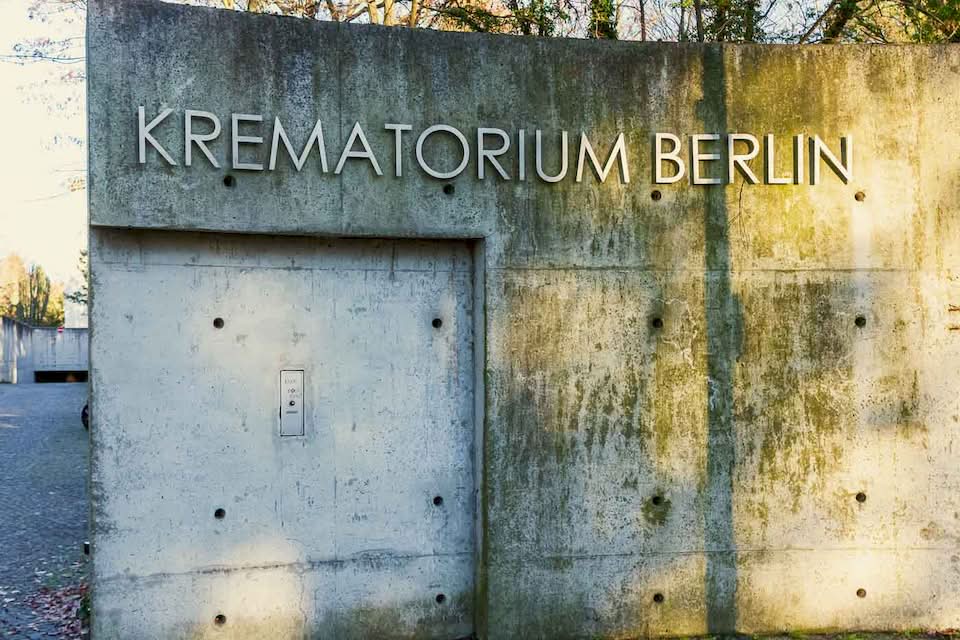
Most people that come to Berlin for a few days end up exploring the same places, like the Berlin Wall or the shopping options around Mitte. The most profound experiences in the city, however, can be found in its most serene areas. Hidden away in Treptow, you will find the Krematorium Baumschulenweg that stands as a radical departure from traditional funeral architecture.

It was designed by Axel Schultes and Charlotte Frank, who also worked on the Berlin Chancellery. What they created feels less like a building and more like a sensory experience. While I was there, this was one of the many things that came to mind.
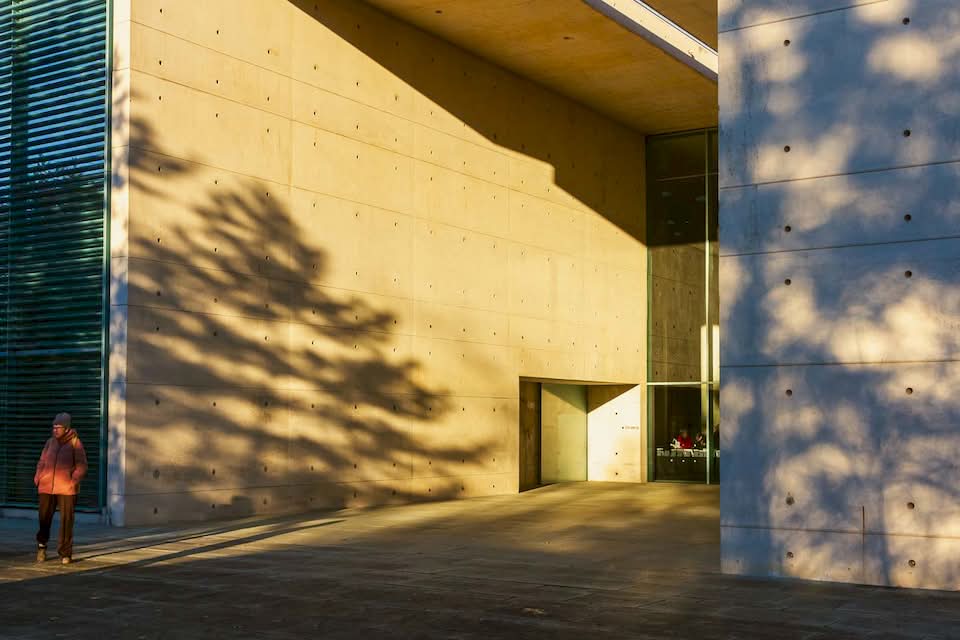
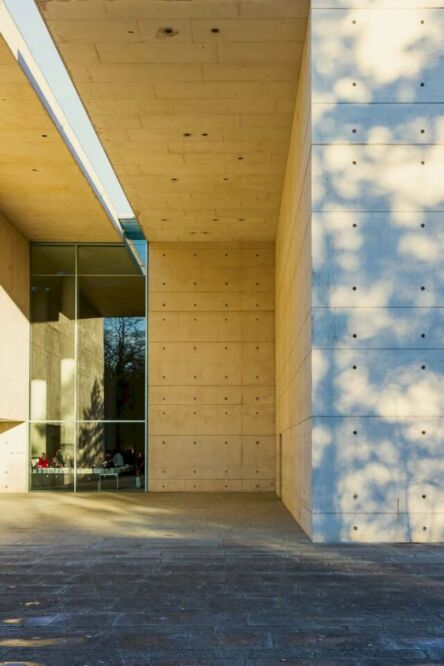
Krematorium Baumschulenweg was designed by Axel Schultes and Charlotte Frank, who also worked on the Berlin Chancellery. What they created feels less like a building and more like a sensory experience. While I was there, this was one of the many things that came to mind.
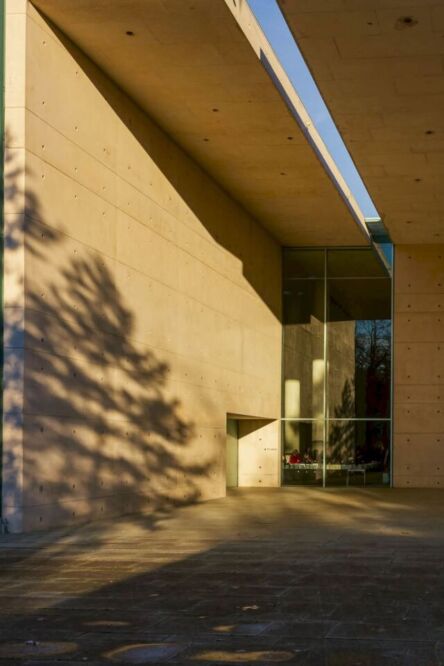
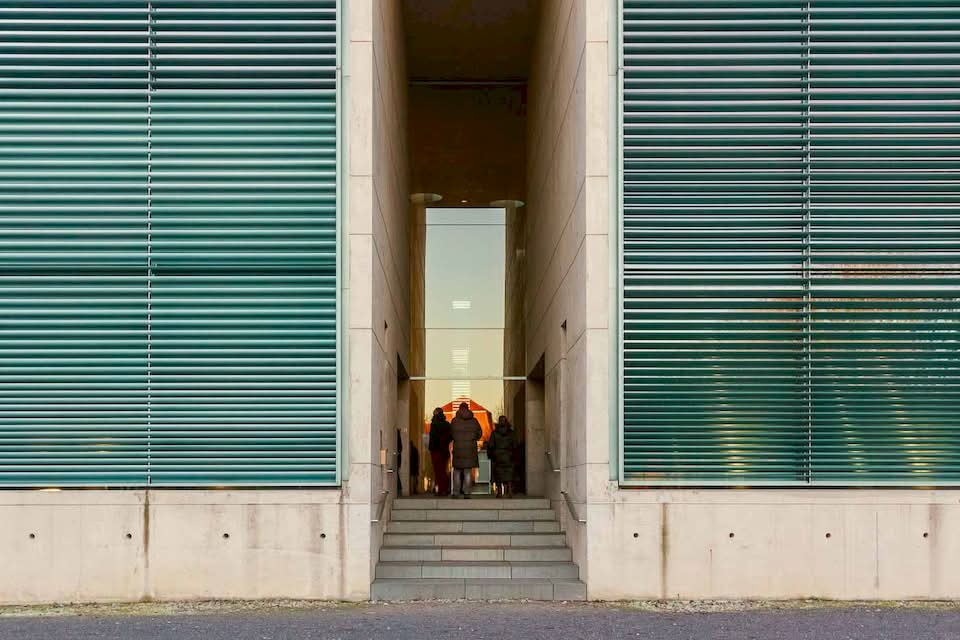

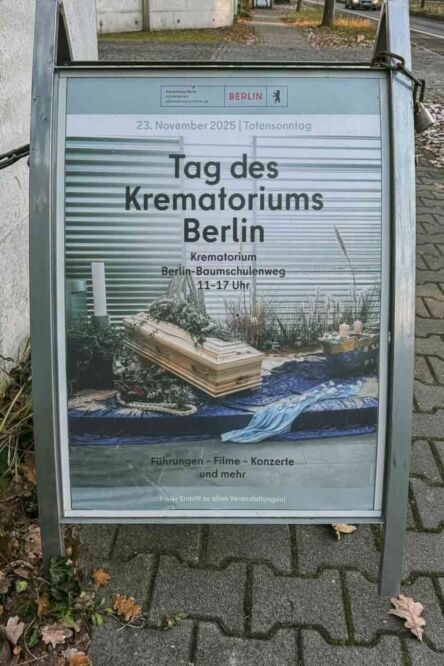
I went to the Krematorium Baumschulenweg in November 2025, during Totensonntag, which is the annual date of Berlin’s Crematorium Day. This is a special day in the city when people can visit the Berlin crematoria, see how cremation works, and explore a bit of these places.

But my experience with the Krematorium Baumschulenweg started many years ago when I passed by bike through the area. A building made of concrete caught my eye, and I remember stopping next to the gates and wondering, What is this?. When I got home, I did a little research and found out that this place has been used in many movies and series like Aeon Flux, John Wick, Cloud Atlas, and the sci-fi series Foundation. That made me want to visit it even more.

It took a few years, but, on Berlin Crematorium Day in 2025, I managed to go in with my Mamiya RZ67 and take as many pictures as I could.
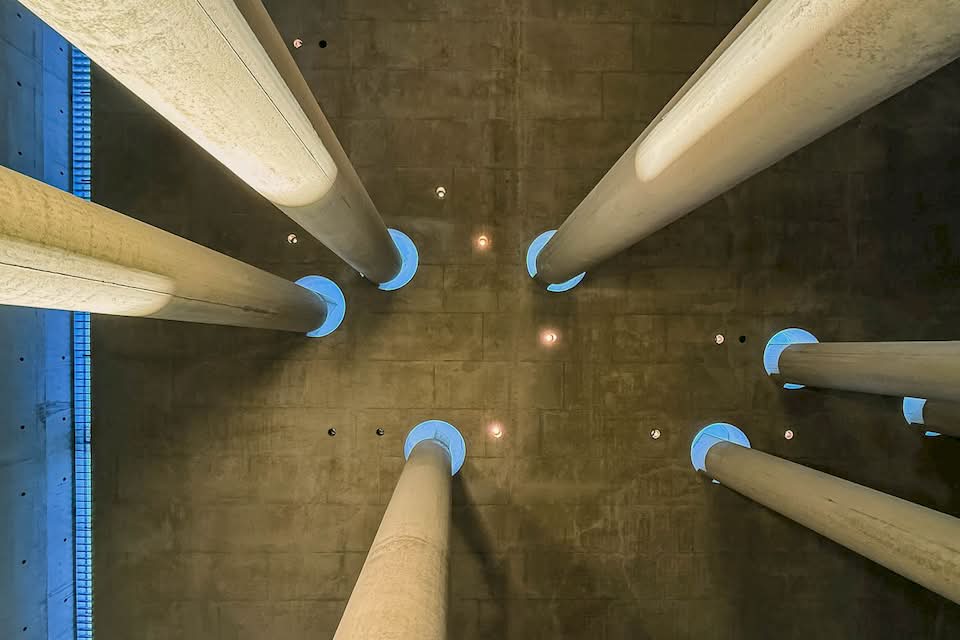
Krematorium Baumschulenweg was designed by Axel Schultes and Charlotte Frank, who also worked on the Berlin Chancellery. What they created feels less like a building and more like a sensory experience. While I was there, this was one of the many things that came to mind.

Beyond the Veil: The Art and Function of Krematorium Baumschulenweg

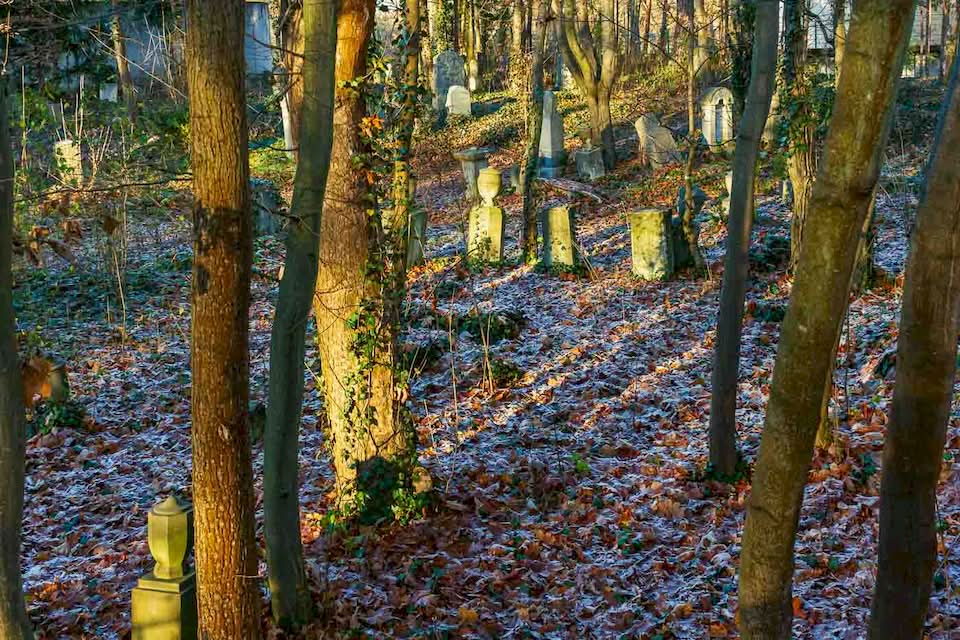
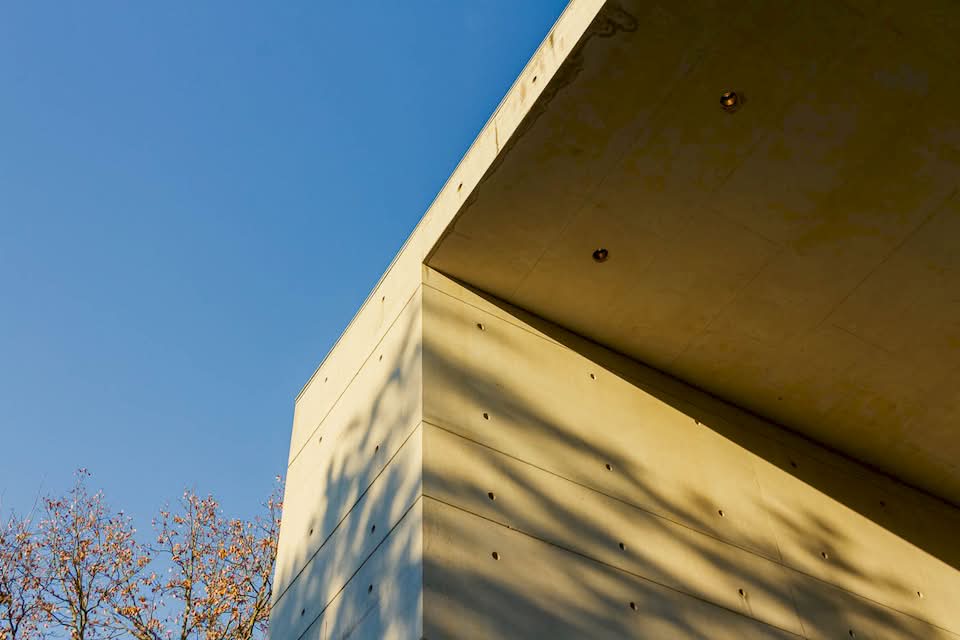
From outside, the Krematorium Baumschulenweg is a massive, seamless block of exposed concrete that feels more like one of the many brutalist buildings in Berlin than a crematorium. It measures 50 by 70 meters, and it sits partially submerged in the landscape, with ten meters anchored in the ground and the other ten meters rising towards the sky. While the facades remain minimalistic, the front of the building opens up through vast glass surfaces and atriums that feel to me like an invitation for a dialogue between the interior and the surrounding cemetery.

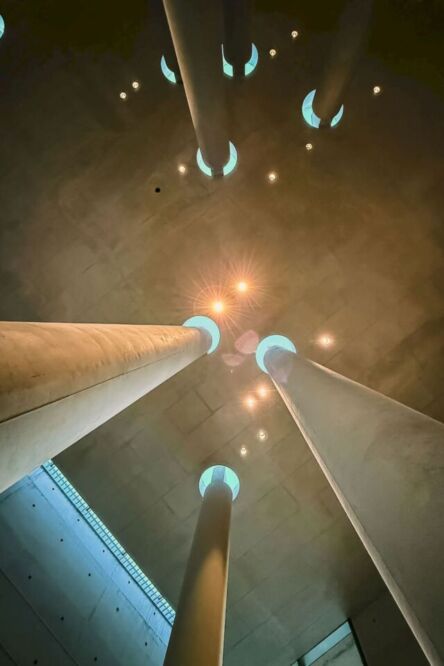
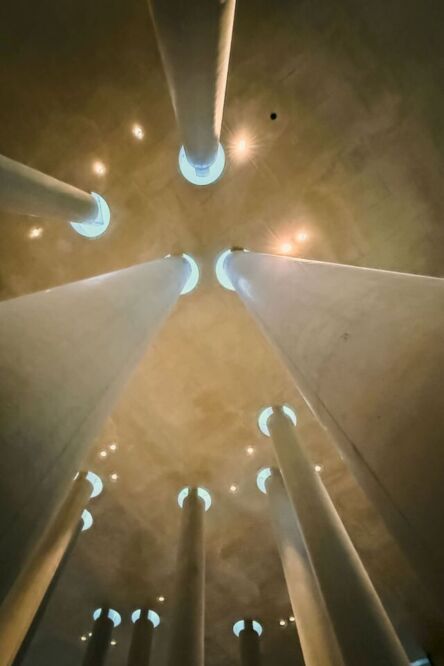
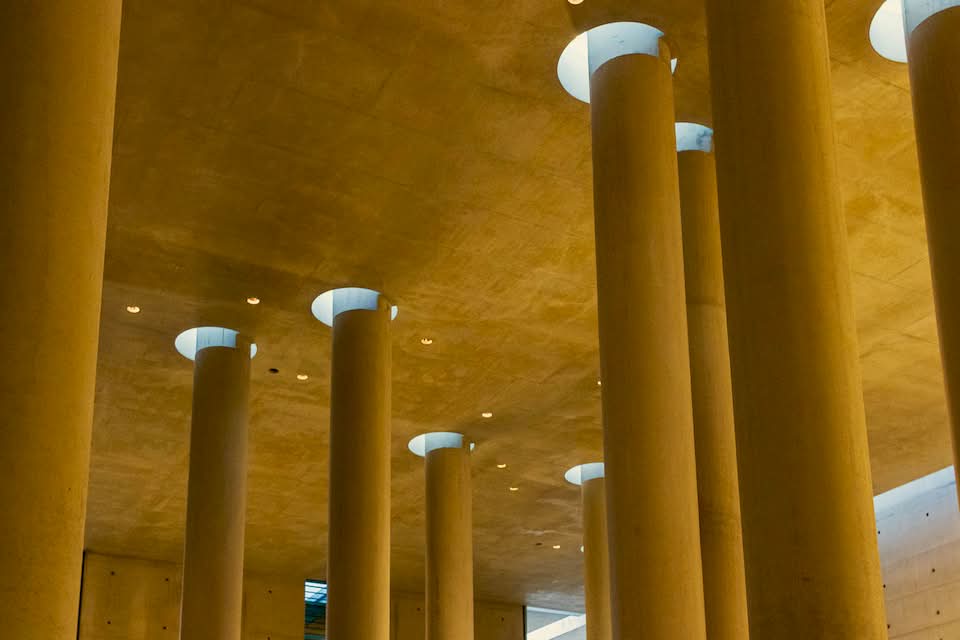
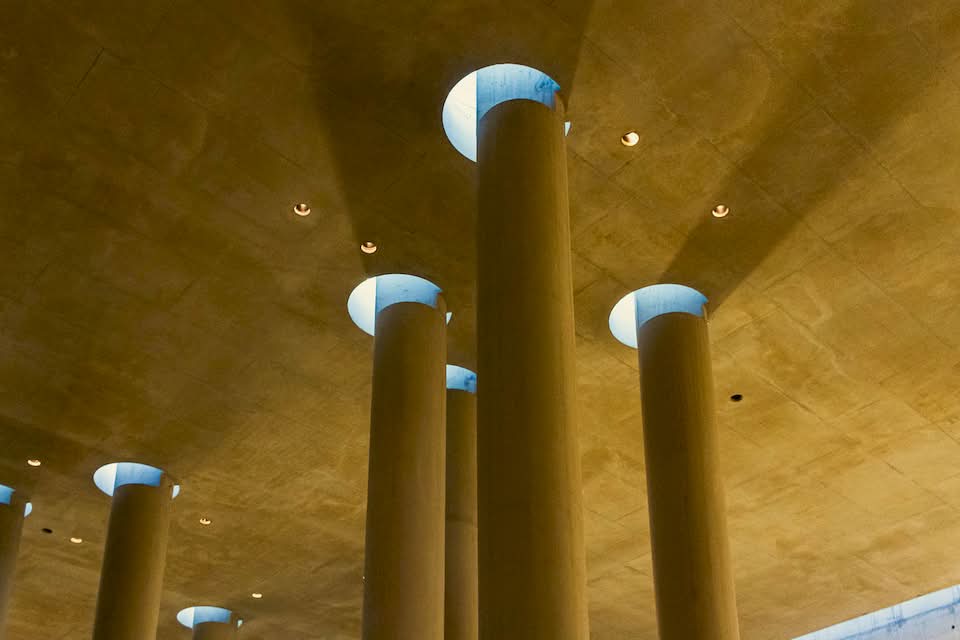
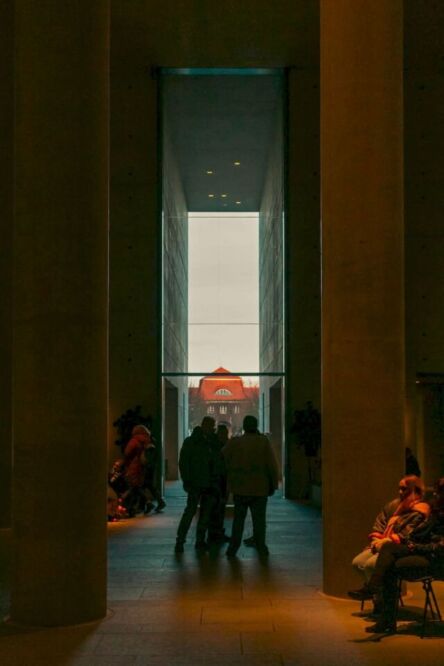
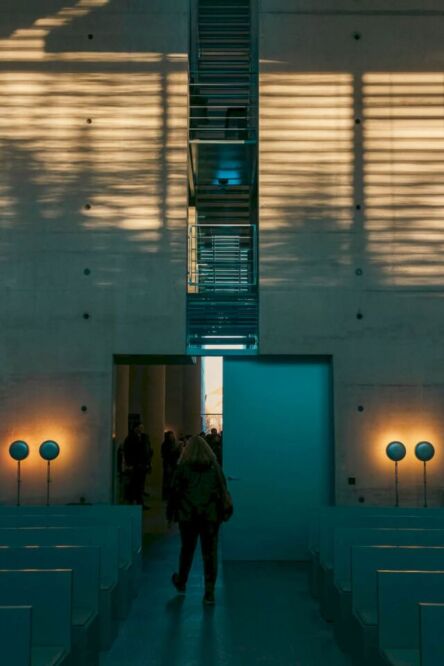
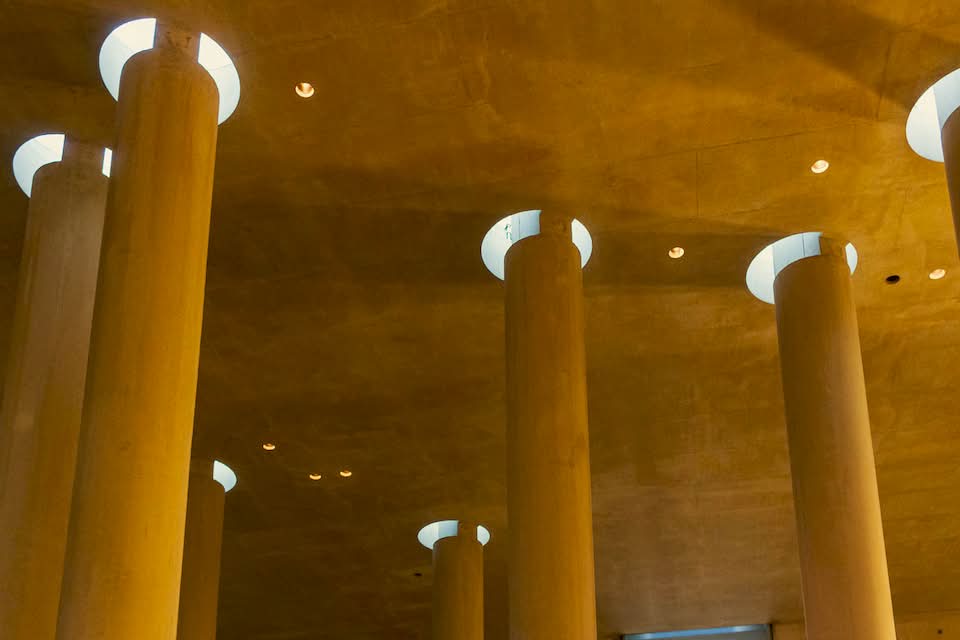
The heart of the crematorium is what is known as the “Condolence Hall,” which is a large area defined by 29 towering concrete columns. But these columns are not there just for structural support. They end in circular skylights that allow the sun to pour into the space like a cosmological event in an ancient burial space. The architects envision this hall as a covered square where groups of mourners can congregate at the same time while still being protected in their personal sorrow. By positioning the columns to create “distancing rooms,” the individual journey can remain private and personal even in public areas.

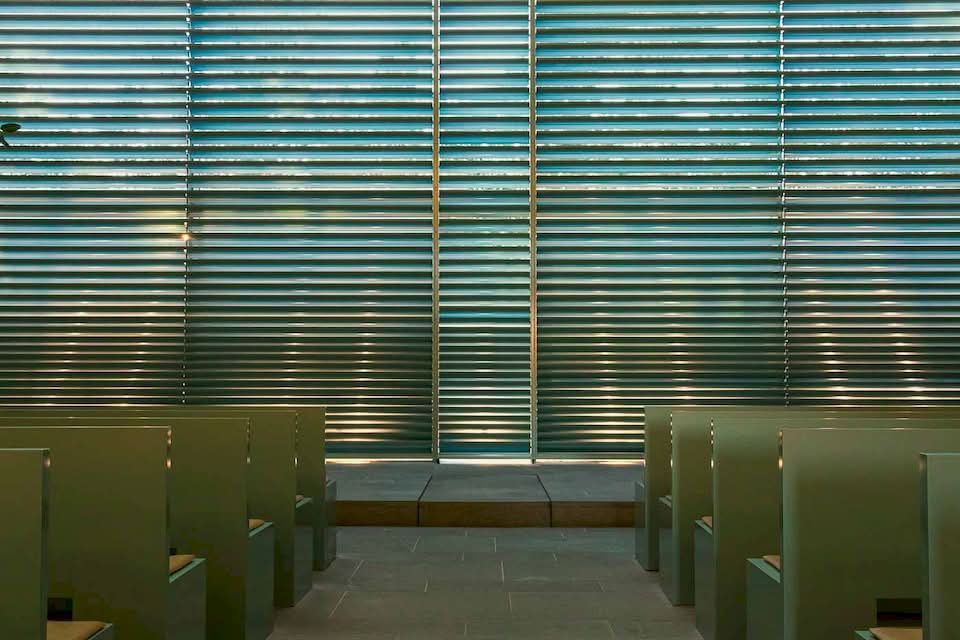
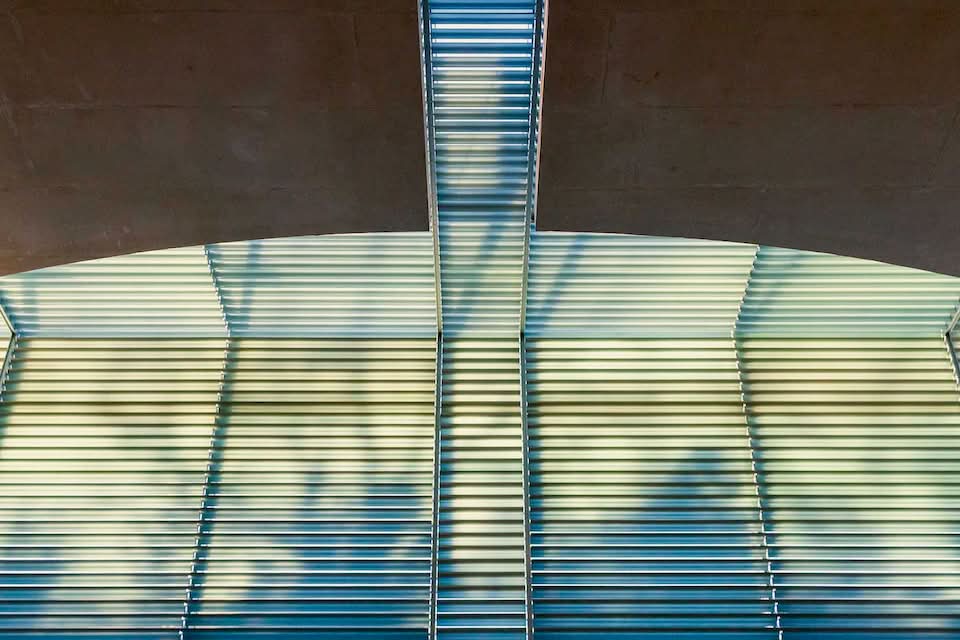
Besides that, there are three ceremonial halls: two smaller ones for around 50 people and a grand hall for 250. They are all designed as what feels to me like boxes of split stone. Slat-steered glass casings cover the windows, which look out onto the grassy cemetery. This feels intentional in the best way possible since I can picture how the focus from a service would shift towards the light outside. This seems to me to be a subtle change from the building’s heavy concrete interior to the sky and clouds outside.

Based on what I read, Axel Schultes and Charlotte Frank noted that architecture cannot make people “happy” about death, but it can provide a place of rest and silence. And it seems to me like they achieved this precisely in the Krematorium Baumschulenweg. This massive structure celebrates the space differently, using the brutalist weight of the concrete to honor the weight of the human experience.

A Rare Look Behind the Scenes
Krematorium Baumschulenweg was designed by Axel Schultes and Charlotte Frank, who also worked on the Berlin Chancellery. What they created feels less like a building and more like a sensory experience. While I was there, this was one of the many things that came to mind.

The Krematorium Baumschulenweg’s architecture attracts design enthusiasts all year long, but the building is only fully accessible to the public on the Day of the Crematorium. This is one of the opportunities that the public has to see behind the curtain on the technical and emotional realities of cremation.

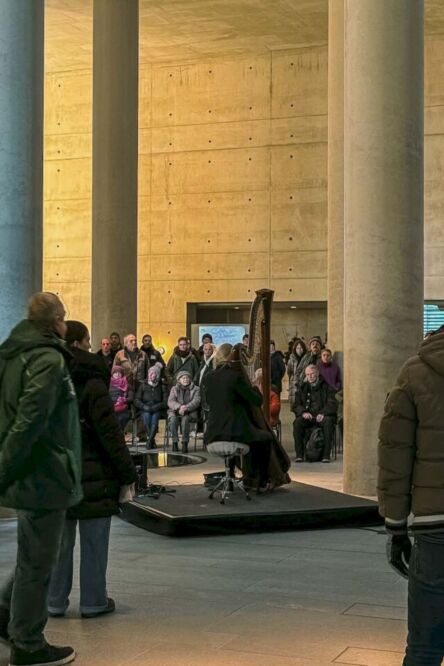
During my visit on Totensonntag, the atmosphere there was of respectful curiosity rather than gloom. There were small exhibitions on the history of burial rites, a harp concert, and some panel discussions and presentations. They also had a technical tour, but it was already sold out when I got there. Next time I’ll arrive earlier just to see this rare opportunity to view the process and the machinery required in the cremation process.
Krematorium Baumschulenweg was designed by Axel Schultes and Charlotte Frank, who also worked on the Berlin Chancellery. What they created feels less like a building and more like a sensory experience. While I was there, this was one of the many things that came to mind.

It can be complicated to find a way to visit this place, but you should keep an eye out for the next Crematorium Day. Krematorium Baumschulenweg is one of Berlin’s most influential, albeit unconventional, landmarks, whether you are an architecture enthusiast like myself or a traveler seeking a moment of contemplation.

The Brutalist Architecture of Silence: A Visit to Berlin’s Krematorium Baumschulenweg

Südostallee 55, 12437 Berlin

Leave a Reply

Your email address will not be published. Required fields are marked *

This site uses Akismet to reduce spam. Learn how your comment data is processed.

Felipe Tofani

Felipe Tofani

Felipe Tofani is a passionate designer who loves creating experiences and has a mix of music tastes. As the guy behind this blog, he enjoys finding fascinating places to explore. Whether he’s unearthing up hidden gems or sharing interesting historical stories, Felipe is the creative force behind the content here. Join him on this journey of design, discovery, and some pretty awesome tunes.View Author posts