Berlin is a city with a weird tendency to discard airports. The city goes through them so fast that it’s challenging to remember all of them. One of these airports was called Flugplatz Schönwalde, and here I will tell you about its history.
It seems like not as many people remember Flugplatz Schönwalde as they do other well-known closed airports like Tempelhof and Tegel. Which makes sense since it has seen an airplane land for several years. The same goes for other forgotten airports and lost places that I wrote about in the past, like the Flugzeughallen Karlshorst and the Flugplatz Johannisthal, ones in Oranienburg, Brand, and Rangsdorf.
But it’s easy to forget that the Flugplatz Schönwalde exists since it sits in a sparsely populated part of Berlin, somewhere between Spandau and Hennigsdorf. But its history is challenging to forget since it’s clearly linked to Nazi Germany’s ambitions before the Second World War even started.
The Rise and Ruin of Flugplatz Schönwalde
Based on what I understood, there were plans for a new military base around Hennigsdorf since 1934. At that time, this would be an act of defiance against the military restrictions that were imposed on Germany by the Treaty of Versailles after the end of the First World War. But they didn’t care.
Around 1935, the Reichsluftfahrtministerium, also known as the Aviation Ministry, acquired plots of land, and wooden barracks started being erected to house the construction team that would start putting together a modern airfield. By 1939, what was known as Sportflugplatz Hennigsdorf was complete, and it was perfect for sophisticated military operations with a concrete runway with lights, a control tower, and several hangars.
During the first years, this airport was used as a flight school for those who would fly for the Luftwaffe. But as the Second World War went on in Europe, the Flugplatz Schönwalde’s purpose changed. Around 1943, the 14th Air Corps moved there.
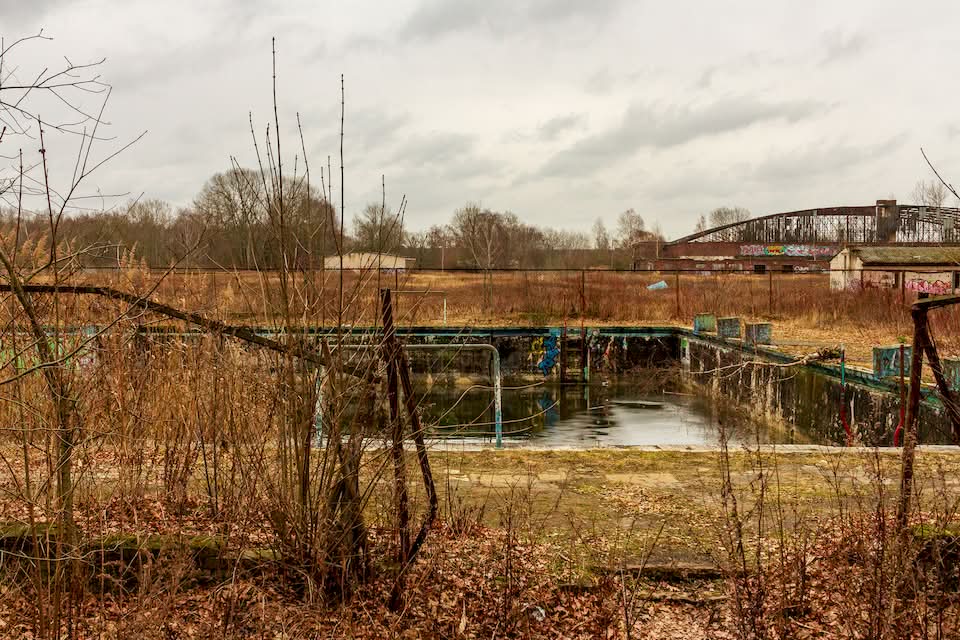
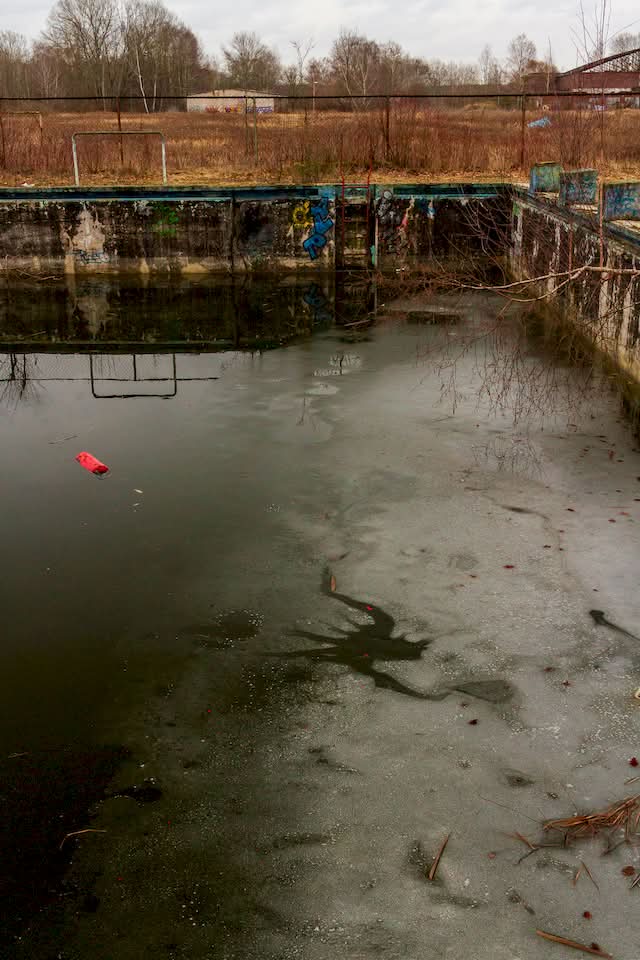
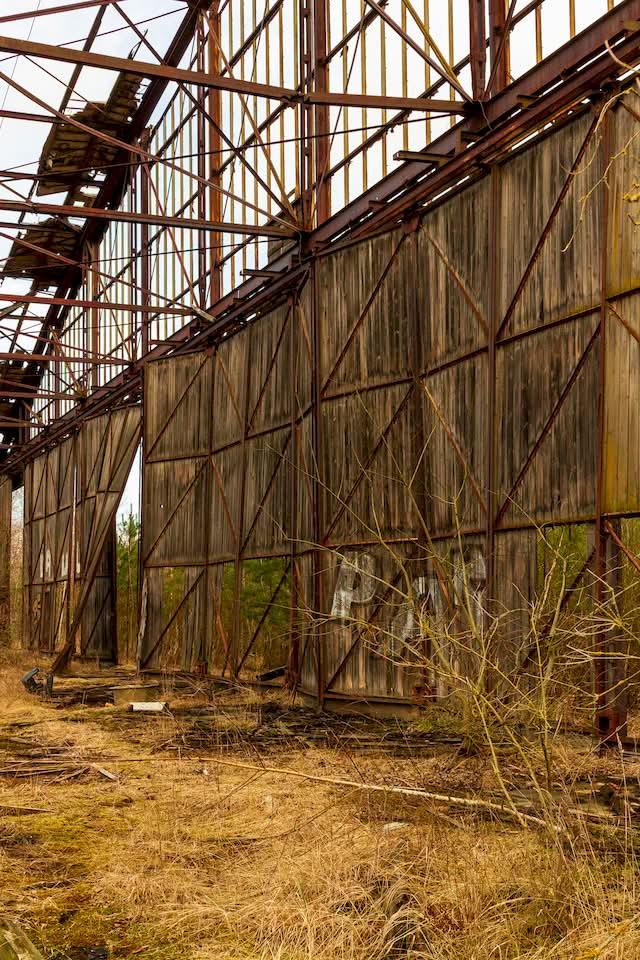
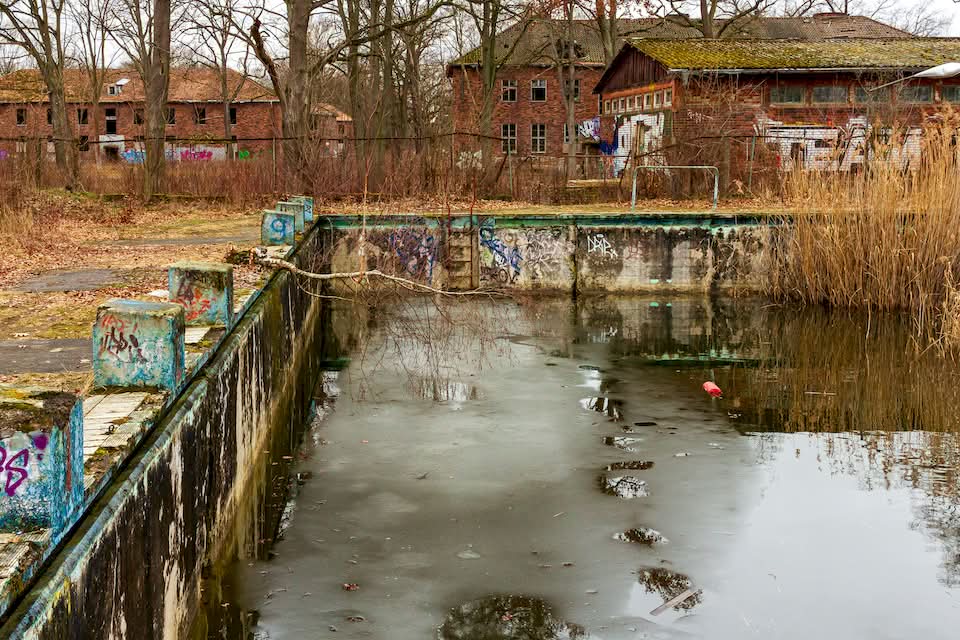
This only lasted for a few years since troops from the 1st Belorussian Front took the airfield without resistance in April 1945. With the Cold War, the idea of using the Flugplatz Schönwalde as an aviation hub started to become a fragile concept.
This happened due to its location. The airfield was positioned within the air corridors that led to West Berlin and to the Allied Forces stationed there. Because of that, if the Soviets wanted to operate their airplanes from Flugplatz Schönwalde, they would be required to coordinate and inform their movements to the flight control operators in West Germany. And this level of transparency and communication between both sides would be unthinkable at the time.
Besides the geography issue, there was something else that was a problem. Aviation technology has evolved quite fast since the airfield was first built. The original runway was perfect for the airplanes of the 1930s, but it wasn’t suitable for the new jets that were coming into service decades later. After considering the location and technological issues, it is evident why the Flugplatz Schönwalde is in the state it is in today.
Still, Soviet jets were stationed there until the mid-1950s, and in 1965, the entire area turned into a ground troops base that lasted until the Soviet forces left Germany in 1992. It has been decaying since then.

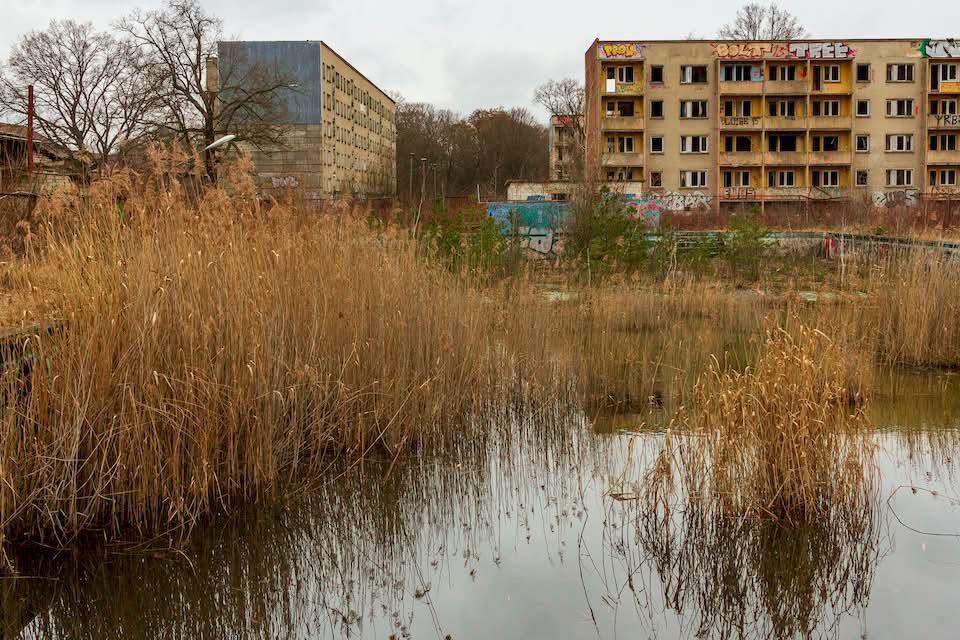
Urban Explorer’s Guide: How to Find the Ruins of Flugplatz Schönwalde
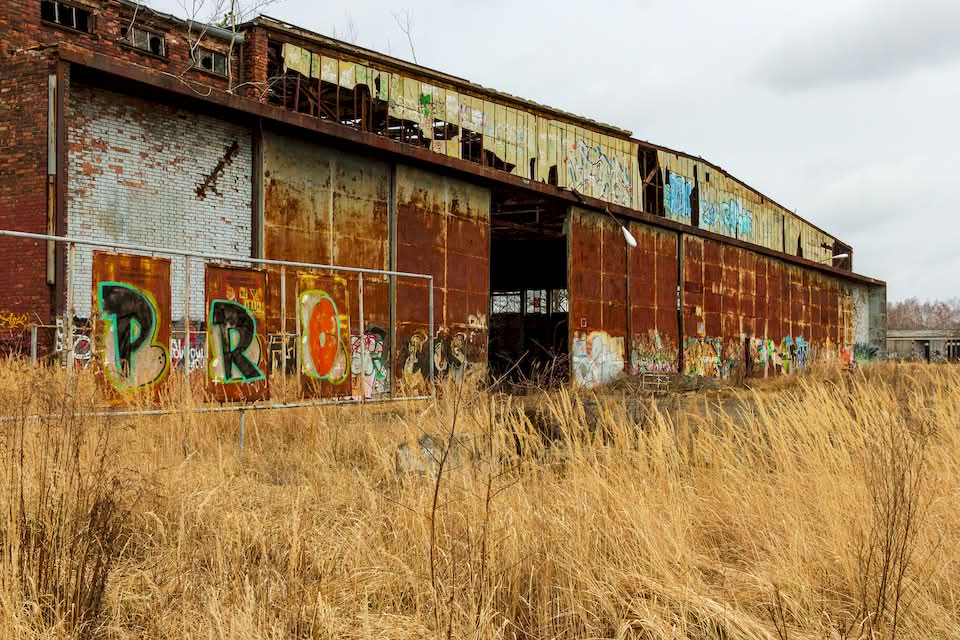
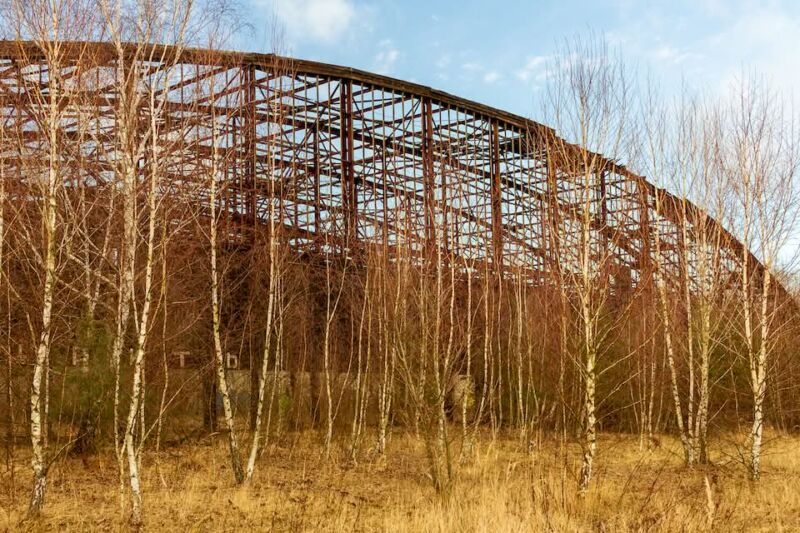
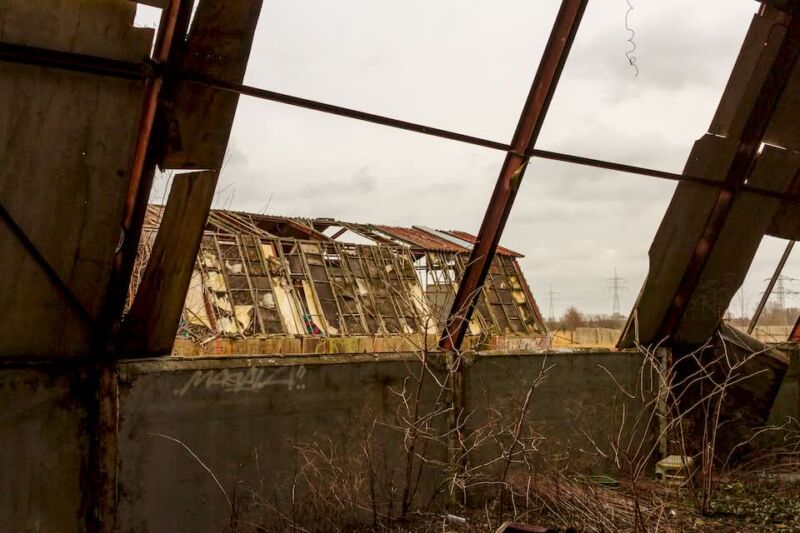
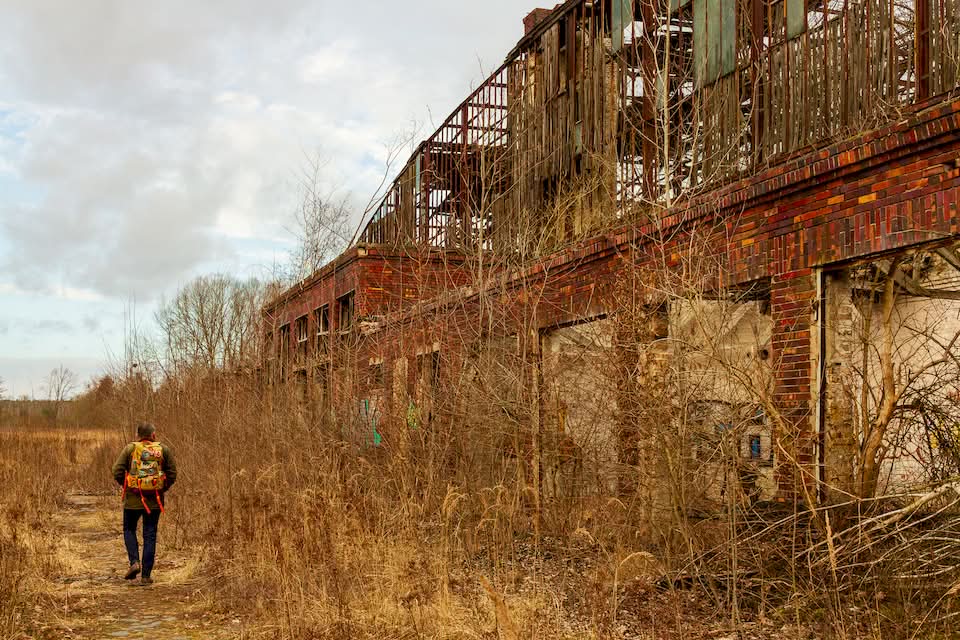
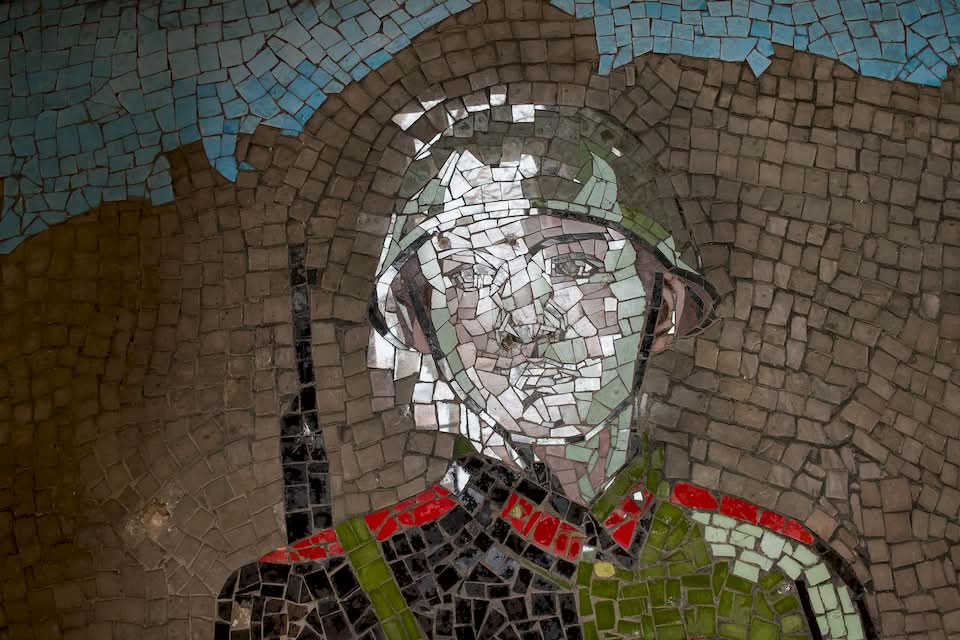
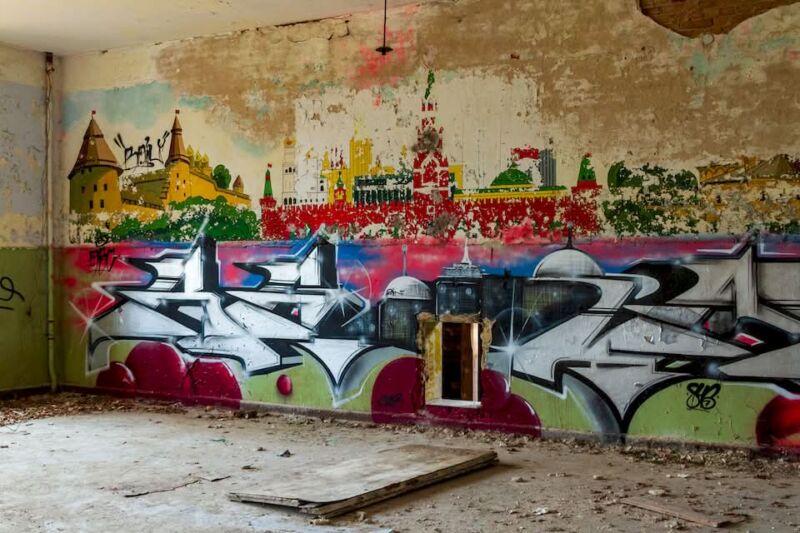
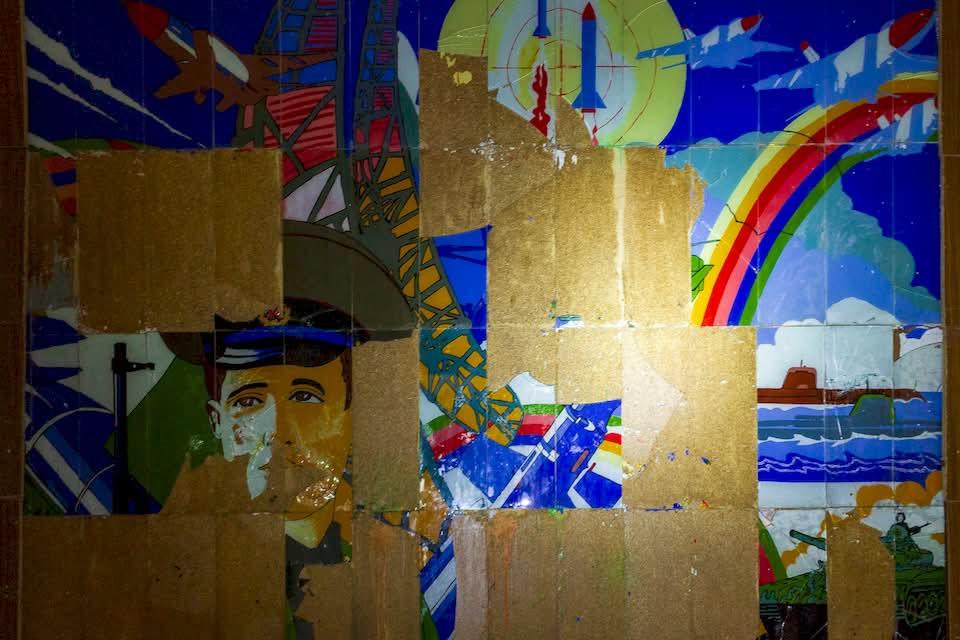
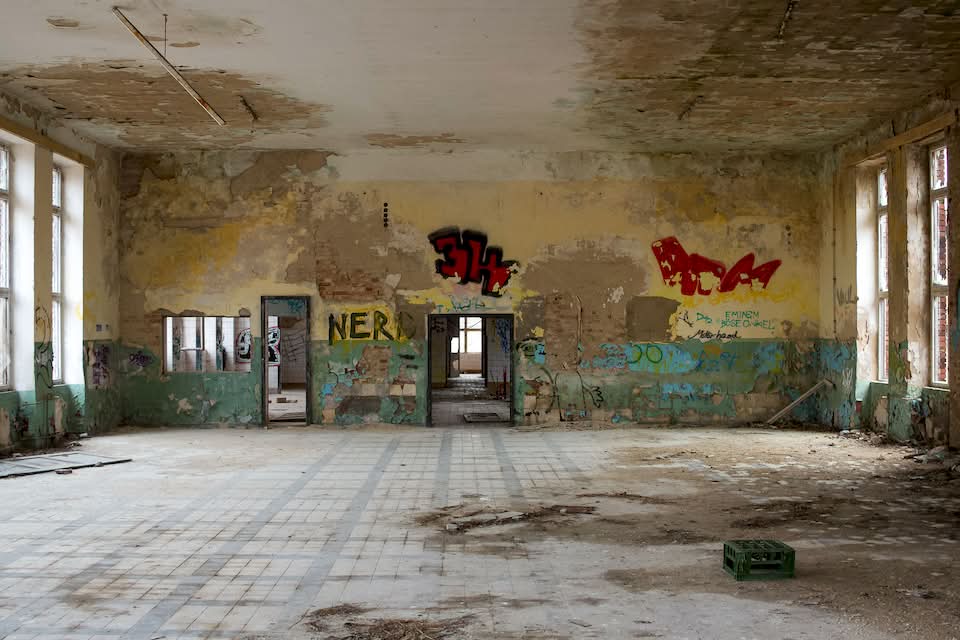
I have been to Flugplatz Schönwalde twice, and the pictures you’ll see here are from both these visits. The first time was back in early 2018 when I also visited Flugplatz Rangsdorf while helping a video crew film a piece for a documentary that never saw the light of day. The second time was in 2021 when a friend dropped me a message that he wanted to see if we could find a military mosaic inside the airfield, and I liked the challenge of finding out where it could be.
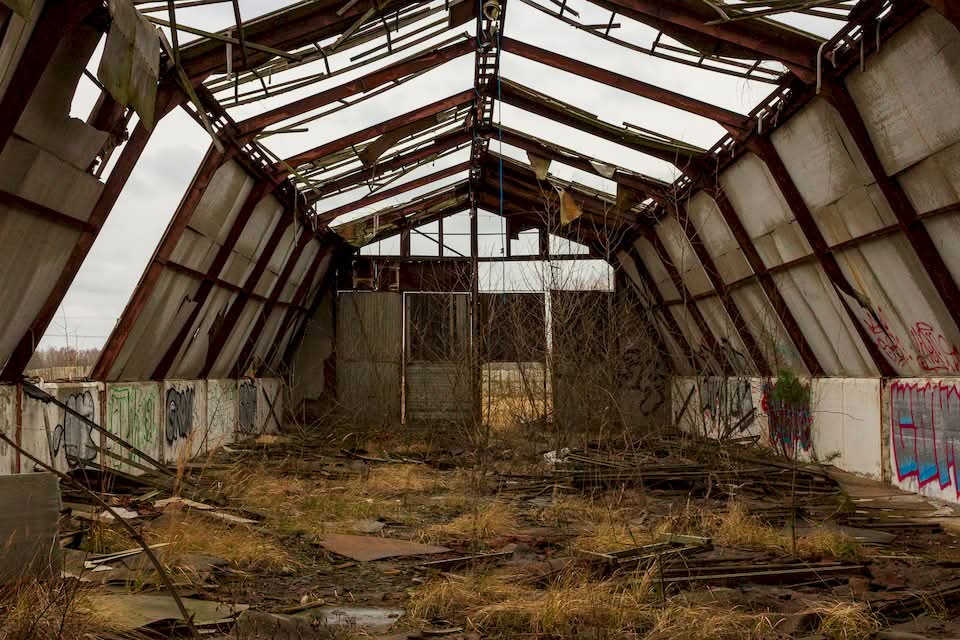
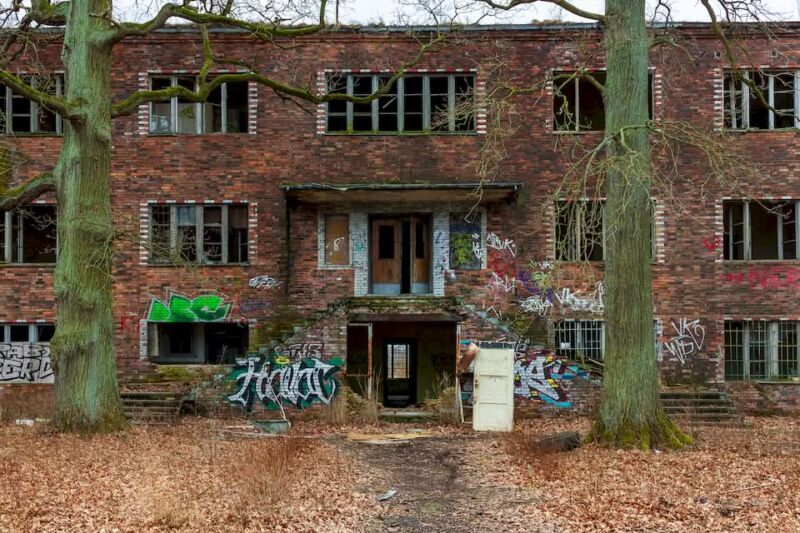
If you liked the pictures and the whole history behind the place and want to visit the Flugplatz Schönwalde, be prepared for some sort of genuine urban exploration challenge. I say that because this isn’t a guided tour in a well-signed park; this is almost an adventure. The entire area is filled with several decaying buildings, large hangars, and several piles of rubble from structures that were already demolished.
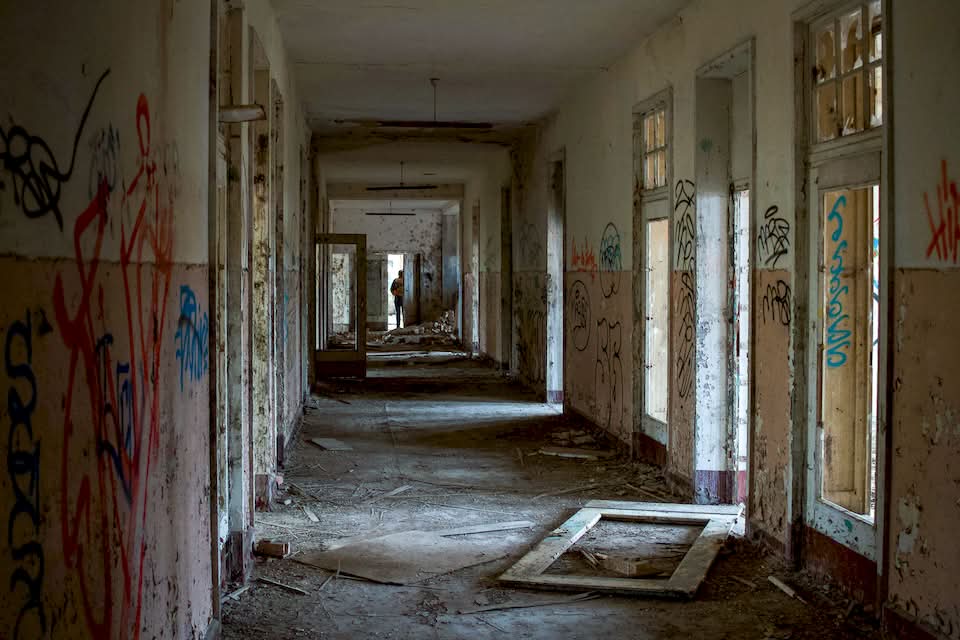
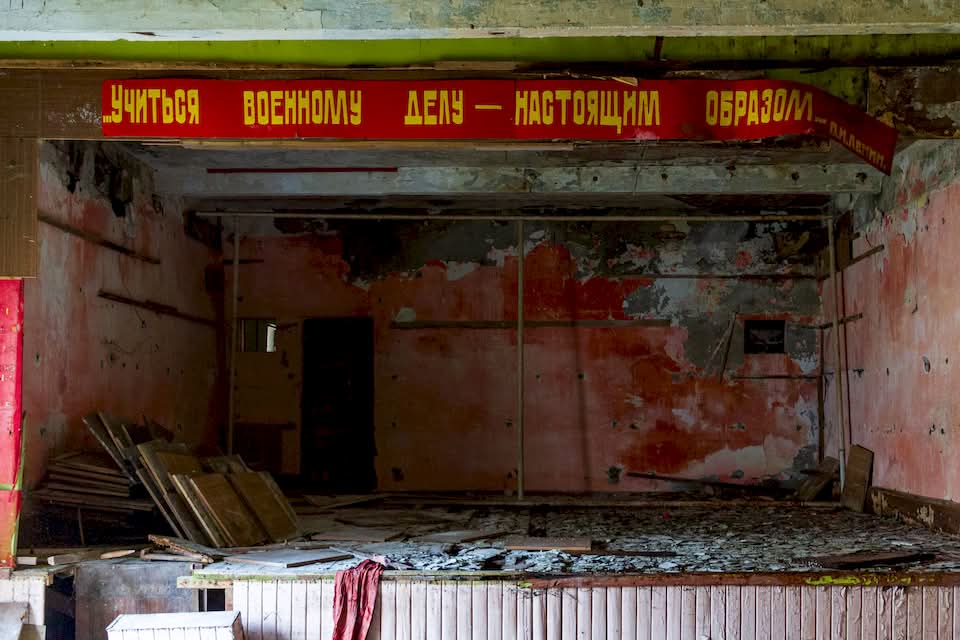
To get there, I believe the best way is to take an S-Bahn to Hennigsdorf. From there, you can cycle towards the Flugplatz Schönwalde or go on a long walk, as you can see in the map at the end of this article.
One piece of advice that I can give you is to try to get there early in the day since the area is considerable, and it’s always good to maximize daylight when you are exploring a place like this. This can be especially important as you go inside some of the buildings that are becoming dangerous ruins.
During my last visit, I saw countless piles of rubble from structures that were already demolished. I don’t even know what they look like now, but Google Maps shows that there are some buildings still standing.
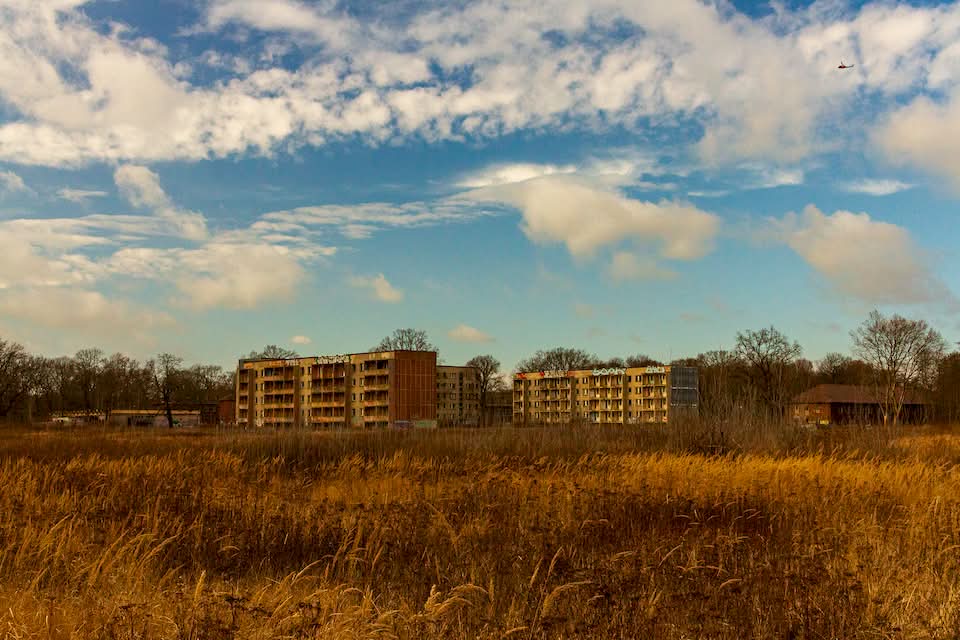
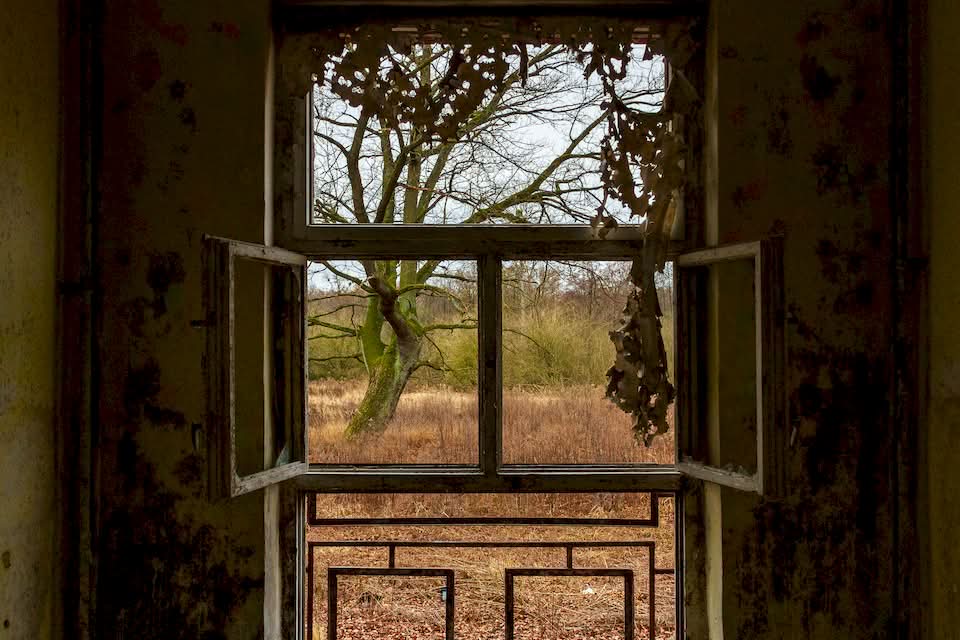
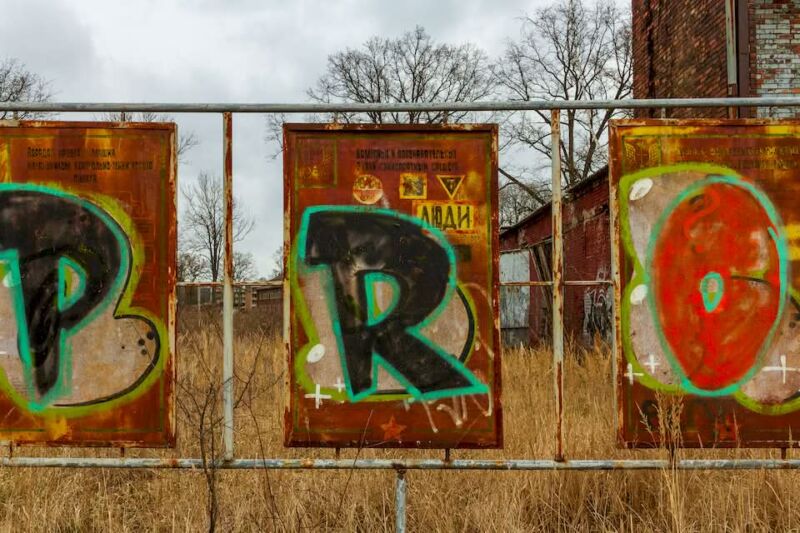
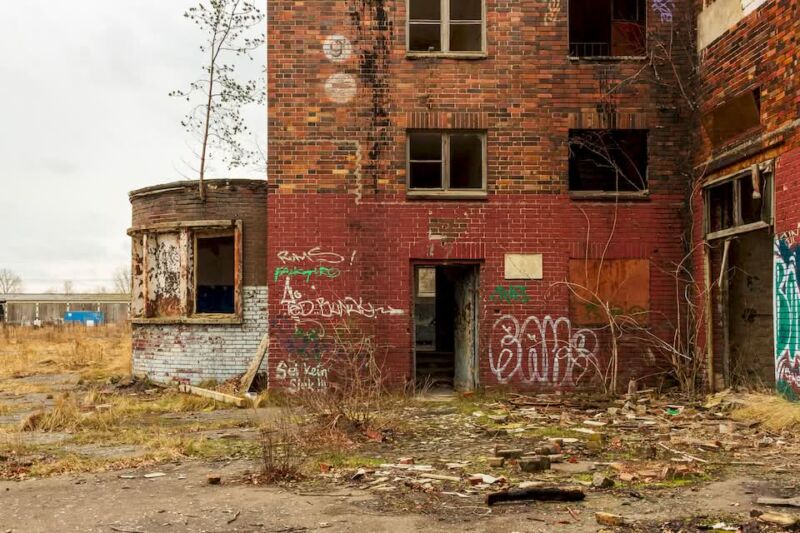
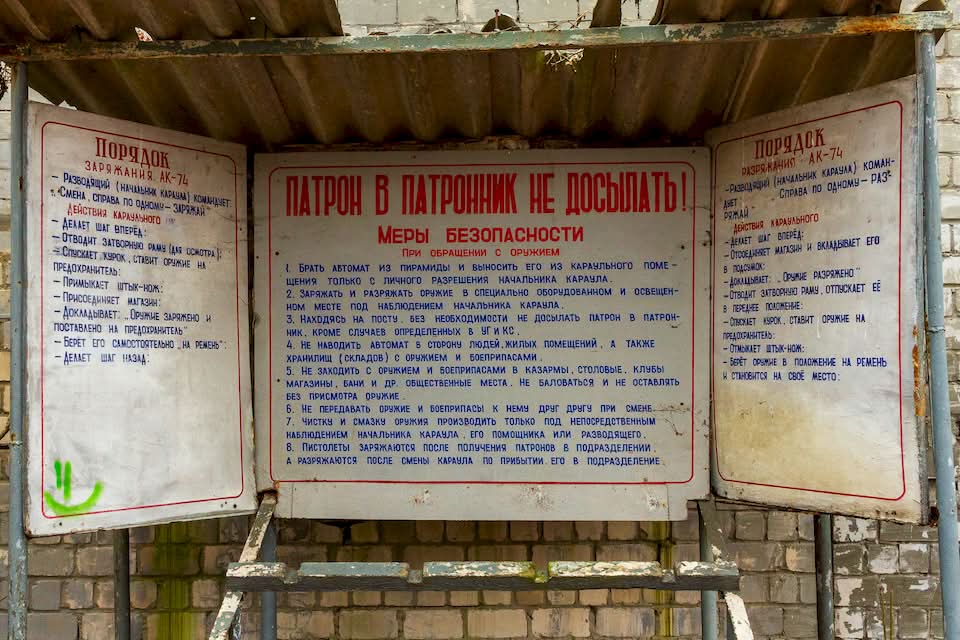

Be prepared to visit Flugplatz Schönwalde. Take a flashlight with you so you can explore the dark interiors; the one on your phone might be too weak for anything. Wear comfortable, sturdy shoes, and don’t forget to bring your camera to document this unusual piece of history. Don’t forget to try to find the soldier mural that was the reason behind my second visit.
Besides that, pay attention to your surroundings. I remember seeing fresh tire tracks all around the place. During my last visit, we even had to hide for a while as we saw a truck passing by slowly, like they were looking for something. Keep your eyes open, and you’ll be fine.
If you are already in the area to see Flugplatz Schönwalde, you might want to add a stop at the Grenzturm Niederneuendorf to see one of the last remaining Berlin Wall watchtowers.

Beyond Tegel and Tempelhof: Discovering the Forgotten History of Flugplatz Schönwalde
An den Bauernhörsten
14621 Schönwalde-Glien
