
While traveling, we frequently seek the energy of local markets, the architectural magnificence of cathedrals, or the dynamic atmosphere of contemporary cities. Yet, some of the most meaningful and moving travel experiences lie away from the tourist crowds—in places where time seems to stand completely still. Across Europe, historic burial grounds serve as quiet keepers of memory, art, and resilience. Visiting Jewish cemeteries in Europe offers travelers a unique lens through which to explore centuries of local culture, community struggles, and enduring heritage.
From the sun-drenched, pine-shaded slopes of the Mediterranean to the sprawling, moss-covered forests of Central Europe, these sacred spaces are far more than final resting places. These are living history books and outdoor museums that document the tragedies, accomplishments, and contributions of Jewish communities that shaped European identity.
Come along with me as we go off the beaten path to see some of the most interesting and historically significant places on the continent.
The Marjan Hill Sanctuary: Split’s Ancient Sephardic Heritage
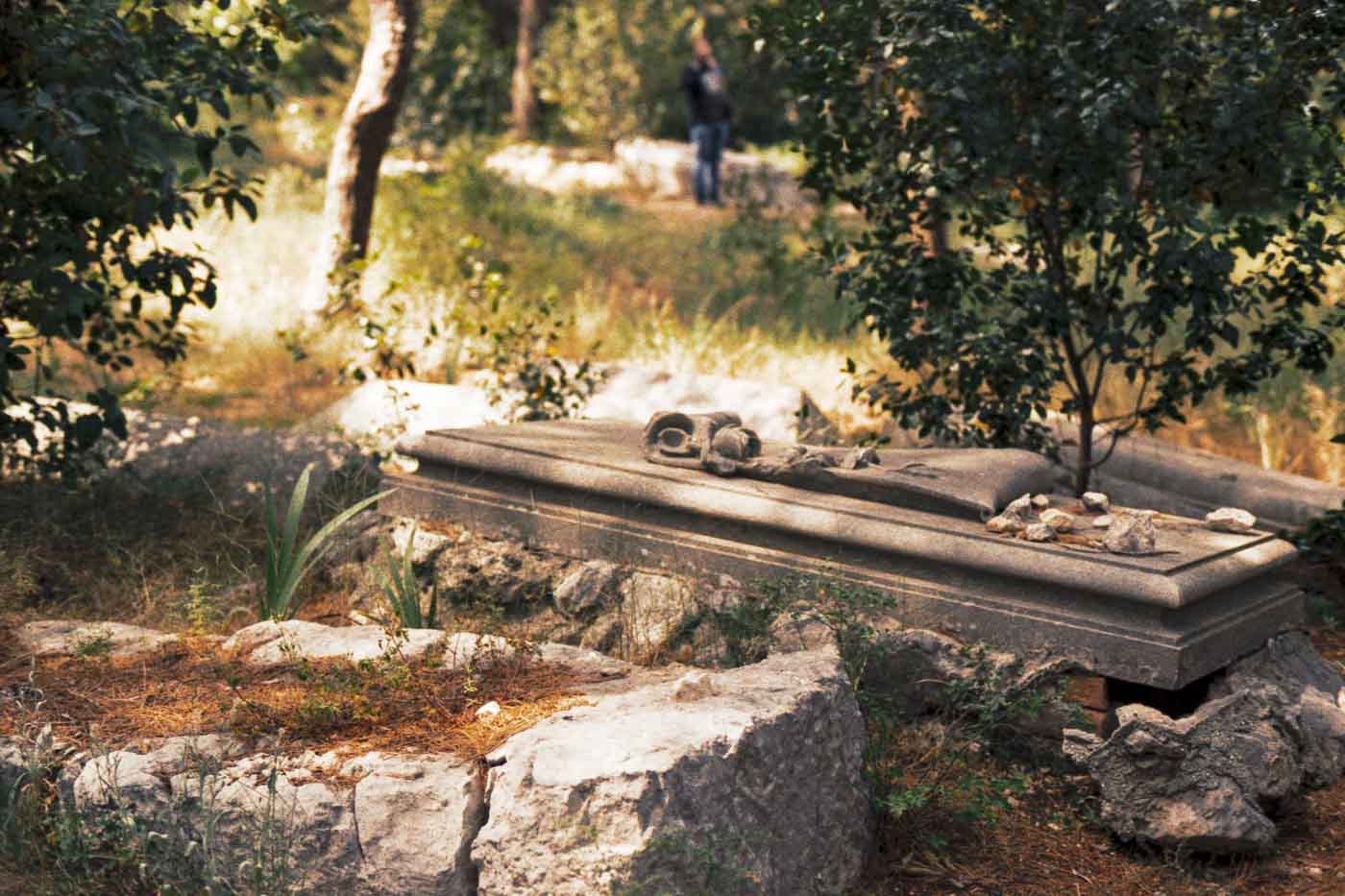
My journey into the world of historic European necropolises brought me first to the Adriatic coast of Croatia. Standing quietly on the eastern slope of Marjan Hill, the Split Jewish Cemetery (Staro Židovsko Groblje Split) offers spectacular panoramic views of the city below, contrasting with its own centuries-old serenity.
Acquired in 1573 by Daniel Rodrigo—a refugee from the Portuguese Inquisition who helped transform Split into a vital Venetian trade port—this site served the local community for nearly 400 years.

Walking among the approximately 700 tombstones, you instantly notice a distinct architectural evolution. The oldest markers feature flat slabs and sarcophagus-roof shapes characteristic of Sephardic traditions, adorned with intricate Hebrew calligraphy and unique iconographic symbols like doves and ascending ladders.
This communally owned plot is preserved today as a priceless monument to a resilient merchant culture that thrived along the Dalmatian coast, in contrast to typical European Christian graveyards of the past.
A City of Souls: The Scale and Grandeur of Berlin-Weissensee
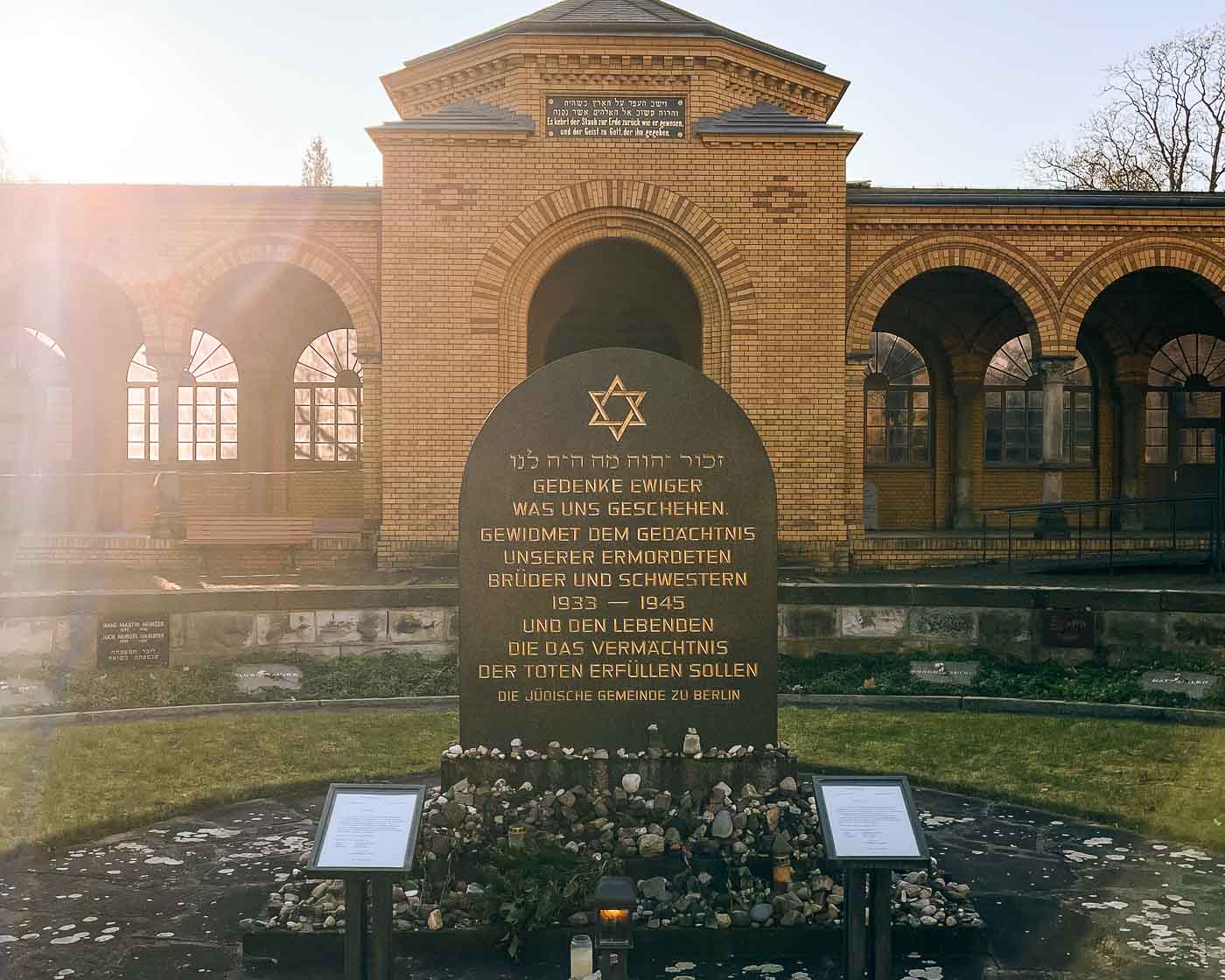
Heading north to Germany’s capital reveals an entirely different scale of history. In the sprawling district of Weissensee rests Europe’s largest active Jewish cemetery, a monumental 42-acre expanse established in 1880 to accommodate Berlin’s booming Jewish population.
Designed by architect Hugo Licht, this quiet giant is a powerful testament to a community deeply integrated into the economic and cultural fabric of pre-war Germany.


As you wander beneath the towering tree canopy, the gravestones—inscribed in both German and Hebrew—tell the stories of prominent figures who defined an era. Here lie the pioneers of Berlin’s famous hotel and department store chains, alongside a devastating Field of Honor dedicated to Jewish soldiers who fought and died for Germany in the First World War.
Walking through the Weissensee Cemetery is both an awe-inspiring and sobering experience; it is impossible to ignore the stones etched with concentration camp names or the ancient tradition of small pebbles left atop tombstones by visitors, symbolizing that a soul’s memory lingers in this world.

The Silent Forest of Okopowa: Europe’s Monumental Necropolis in Warsaw
No exploration of European Jewish heritage is complete without visiting Poland, where centuries of vibrant cultural life met with unimaginable tragedy. In Warsaw, a tall brick wall on Okopowa Street draws a sharp line between bustling modern traffic and a sprawling, shadow-draped forest of wild greenery.


Spanning over 33 hectares and holding upwards of 250,000 graves, the Okopowa Street Jewish Cemetery is one of the largest and most striking Jewish cemeteries in Europe.
Walking its quiet paths feels like stepping directly into pre-war Warsaw. Moss-covered tombs, elaborate family mausoleums, and forgotten markers stand shoulder-to-shoulder under a thick canopy of trees. It is a place of deep silence and thought. It is a massive reminder of the Holocaust’s lasting effects on a community and its long history.

Reflections on Traveling Through Memory
Visiting historic Jewish cemeteries in Europe is a deeply humbling experience. We should respect and pay attention to these places, whether we see them through the experimental grain of analog film photography or on quiet, reflective walks.
Traveling isn’t just about seeing new places; it’s also about hearing the ghosts of the past, honoring those who came before us, and getting to know the cities we visit.
