
During the summer of 2026, I decided it was time to give a second chance to my rolls of expired Orwopan 100 that I bought on eBay a while back. My goal was to test out this vintage black-and-white emulsion with a lower ISO setting and see what kind of unique characteristics I could squeeze out of it.
Before I share the few pictures I took that day, I need to explain a bit more about this entire process and why shooting with forgotten film stocks matters so much to my analog photography experience.
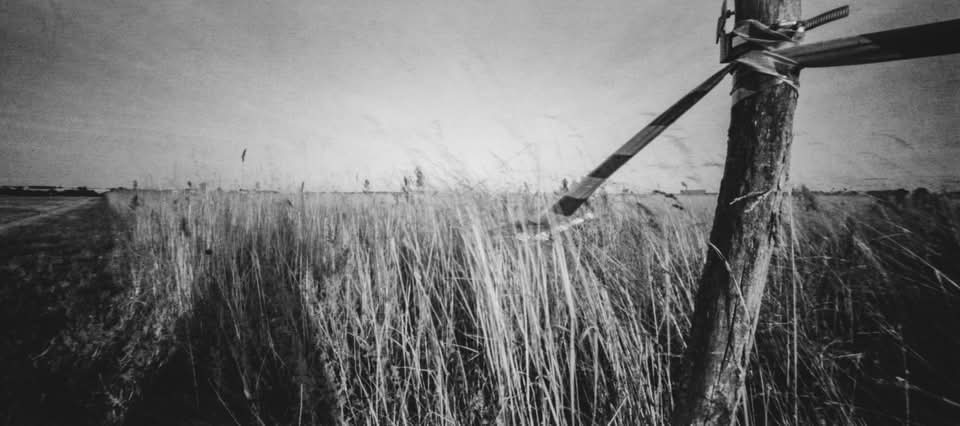
Though I can’t recall exactly how I obtained my expired Orwopan 100, I was able to obtain several rolls. I think it came from one of the times I purchased a mixed bag of vintage expired film on eBay, but I will never know for sure.
Fast forward to the time I bought a Mamiya RZ67. Eager to test its capabilities, I went on a winter hike with a couple of friends from Wannsee in the direction of Stahnsdorf. We followed the old Friedhofsbahn towards the historic Südwestkirchhof Stahnsdorf cemetery. That is the place where the church from the series Dark stands. The idea was to use these diverse locations to try different film backs and vintage lenses.
One of the experimental rolls I packed for that hike was a roll of expired Orwopan 100. Since these rolls lacked a printed expiration date, I presumed they dated back to the late 1990s, right around when the original ORWO factories closed down in Germany. Some film community forums online even suggest that this specific stock is actually Fortepan from Hungary repackaged under a different brand name. Because of its advanced age, I decided to shoot it at ISO 12.
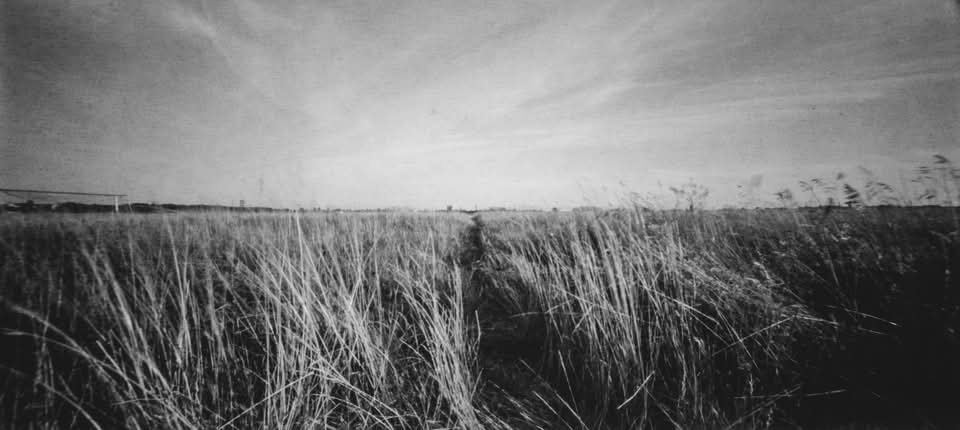
One golden rule I have learned over years of experimenting with expired film is that black-and-white stocks generally benefit from overexposure by one stop for every decade past their expiration date. Since I estimated that this film expired in the late 1990s, counting back through the decades (2025, 2015, 2005, 1995,…) meant that setting my meter to ISO 12 should theoretically compensate for the age.
However, my calculations fell short. The degraded emulsion did not work well with the harsh and dark winter landscape we passed on that hike, and I was so dissatisfied with the flat and noisy results that I never shared those frames anywhere.
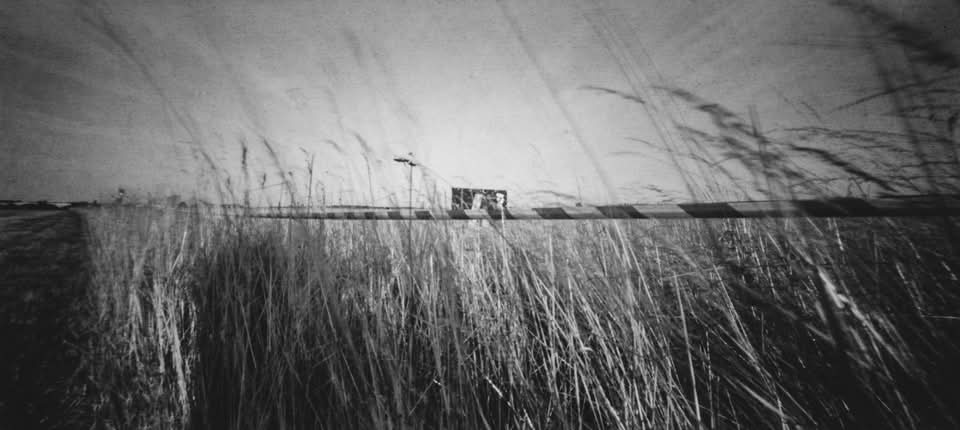
An Analog Adventure in Berlin: Testing Expired Orwopan 100 at Tempelhofer Feld
Then came the summer of 2026 in Berlin, which proved hotter than any summer on record. Temperatures soared, breaking historical highs, and the city was flooded with blinding, relentless sunshine. That intense light prompted me to give my remaining rolls of expired Orwopan 100 another opportunity to shine.
Lately, I have gravitated toward using my Holga Pinhole camera to test out expired film stocks. I love how effortless it is to produce long exposures with it, and the distinct, dreamy pinhole aesthetic pairs wonderfully with the unpredictability of aged film. Beyond the camera choice, I decided to push my luck further by exposing the Orwopan 100 at ISO 10, maximizing its exposure to light.
One afternoon after finishing work, I grabbed a tripod, my Holga Pinhole, a roll of expired Orwopan 100, and walked over to Tempelhofer Feld. I knew this expansive former airport airfield would serve as the ultimate playground to test this experimental setup due to its massive open skies and flat horizon lines. That was my main visual goal: to capture the ethereal movement of the tall wild grasses against the still parts of the frame.
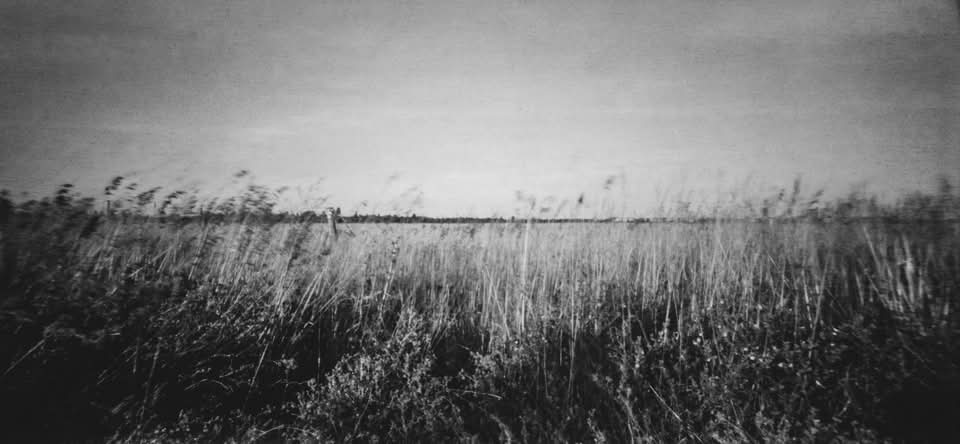
Because my Holga Pinhole is a medium-format panorama camera, each roll only produces a handful of frames. Yet, despite the low shot count, I immediately fell in love with the results.
The heavy, textured noise and rich grain scattered across the sky added a timeless grit to the frames. The long shutter speed also did a fantastic job of capturing the grass and field plants moving smoothly in the wind. These results entirely changed my disappointing winter test, demonstrating how important it is to match an experimental stock with the correct subject and lighting conditions.
Seeing these successful frames naturally makes me consider what lies ahead. My next plans for the remaining rolls of expired film resting in my fridge are simple: I hope to try this exact experiment again during the winter, ideally when a blanket of snow covers the wide-open landscape around Tempelhof.
Let’s see if this arrangement allows me to get some even more dramatic atmospheric photos.

